Where to Buy Gardening Stakes That Actually Support Your Plants (Local & Online for 2026)
Gardening stakes are the unsung heroes of your tomato patch and the bodyguards your top-heavy sunflowers desperately need. Whether you’re propping up drooping dahlias or training climbers into Instagram-worthy vertical gardens, the right stakes make the difference between a thriving plant and one face-down in the mulch.
Finding quality stakes shouldn’t be harder than growing the plants they support. In 2026, you’ve got more options than ever, from big-box retailers offering bamboo bundles at $8 for 25 stakes to specialty garden centers stocking gorgeous copper-topped supports that’ll last decades. Online marketplaces have exploded with choices ranging from biodegradable options (hello, environmental responsibility) to sleek metal designs that double as garden art.
But here’s the thing: not all stakes are created equal, and knowing where to shop can save you serious money and frustration. A flimsy stake that snaps mid-season wastes your time and potentially damages your plants. The good news? This guide cuts through the clutter with verified 2026 pricing, compares the best online and local sources, and helps you match stake types to your specific needs. Plus, if you’re feeling crafty, we’ll explore DIY alternatives that let you upcycle materials while keeping your plants standing tall and your conscience clean.
Why the Right Gardening Stakes Matter More Than You Think
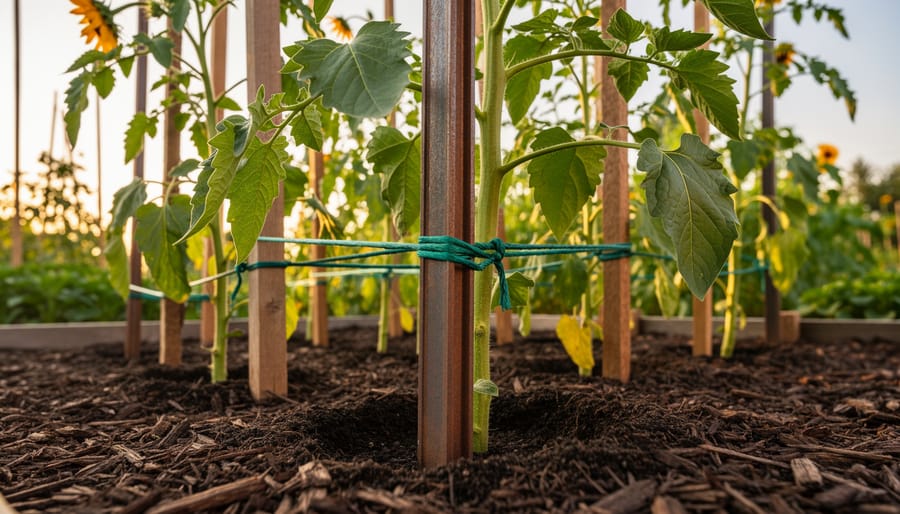
You’d think a garden stake is just a stick, right? Something to shove in the ground and forget about. Then July hits, your prize tomato plant collapses under its own weight, and you’re eating bruised tomatoes off the dirt while muttering about what could have been. Or those gorgeous peonies you waited all spring for? One rainstorm and they’re face-down in the mulch, looking sadder than wilted lettuce.
Here’s the thing: proper staking isn’t just about keeping plants upright for Instagram photos. Staking supports healthy growth by improving air circulation around stems and leaves, which reduces disease risk and helps plants photosynthesize more efficiently. When your delphiniums or dahlias stand tall instead of sprawling, they develop stronger stems and produce better blooms. The right support system can literally be the difference between a mediocre harvest and a garden that makes your neighbors jealous.
Plus, there’s something satisfying about a well-staked garden. It looks intentional, cared for, like you actually know what you’re doing out there. And when stakes do their job, you’re not out there every week retying fallen stems or rigging emergency supports with twine and hope.
Types of Gardening Stakes You’ll Actually Use
Walk into any garden center and you’ll face a wall of stakes that all look vaguely the same until you get them home and realize half of them bend in a stiff breeze. Here’s what actually works.
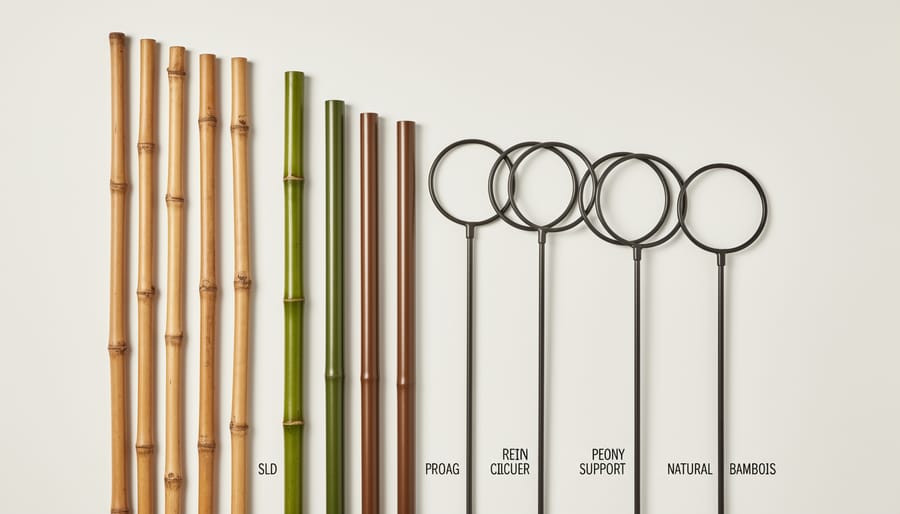
Bamboo stakes are the garden workhorses you’ll reach for constantly. They’re lightweight, blend into the foliage, and handle everything from young tomato plants to sweet peas climbing skyward. The downside? They’ll break down after a couple seasons, especially if you leave them out over winter. Think of them as the affordable option you’ll replace periodically.
Metal stakes, whether coated steel or plain rebar, are what you grab when permanence matters. They’ll outlast your gardening enthusiasm by decades and won’t snap under the weight of a loaded heirloom tomato plant in August. They cost more upfront but stop you from buying new stakes every spring. Just watch for sharp edges that can damage tender stems.
Resin-covered stakes split the difference between durability and plant-friendliness. The coating prevents rust stains on your hands and provides a gentler surface against stems. They’re particularly good for perennials you stake year after year.
Then there are the specialty supports that solve specific problems. Peony rings keep those gorgeous blooms from face-planting into the mud after a rainstorm. Staking domes work beautifully for bushy plants that need support from multiple angles rather than a single pole. They look fussy but they’re lifesavers for sprawling phlox or cosmos that try to take over the entire bed.
The right stake depends less on what’s trendy and more on what you’re actually growing and how long you want it to last.
Best Online Retailers for Gardening Stakes in 2026
Lee Valley Tools: The Go-To for Quality Plant Support
Lee Valley Tools has built a solid reputation among serious gardeners, and their Gardening Stakes & Plant Support collection shows why. You’ll find everything from basic Stem Supports starting at $11.50 to purpose-built solutions that actually work. Their Staking Domes ($17.90) are brilliant for bushy plants that tend to sprawl, while the Peony Support ($59.90 and up) saves those gorgeous but floppy blooms from face-planting into the dirt after a rain.
What sets Lee Valley apart is their focus on durability and thoughtful design. These aren’t flimsy stakes that’ll bend when your tomatoes get ambitious. They also stock accessories like Silicone Staking Connectors ($8.50 for ten) that let you customize support systems without fighting with twine at 6 a.m. before work. Sure, you’ll pay a bit more than the hardware store specials, but when your prized delphiniums are standing tall instead of becoming garden mulch, you’ll get why gardeners keep coming back. Their website clearly marks what’s available online, making shopping straightforward.
Walmart Canada and Urban Grow: Accessible Alternatives
If Lee Valley feels like the gourmet option, Walmart Canada and Urban Grow offer practical alternatives that won’t make your wallet wilt. Walmart Canada carries landscape stakes in various lengths and materials, with options like ground stakes starting around $64 for bulk packs, perfect when you’re supporting an entire vegetable patch rather than a few prized specimens. Urban Grow specializes in resin-covered stakes that resist weathering better than bare metal, including their Garden Star collection in 2-foot lengths. These coated stakes work beautifully for anyone who wants durability without the price tag of specialized supports, and they blend into garden beds without screaming “look, a support stake!” Both retailers make stocking up easy when you need quantity without sacrificing quality.
Finding Gardening Stakes Locally (Without the Guesswork)
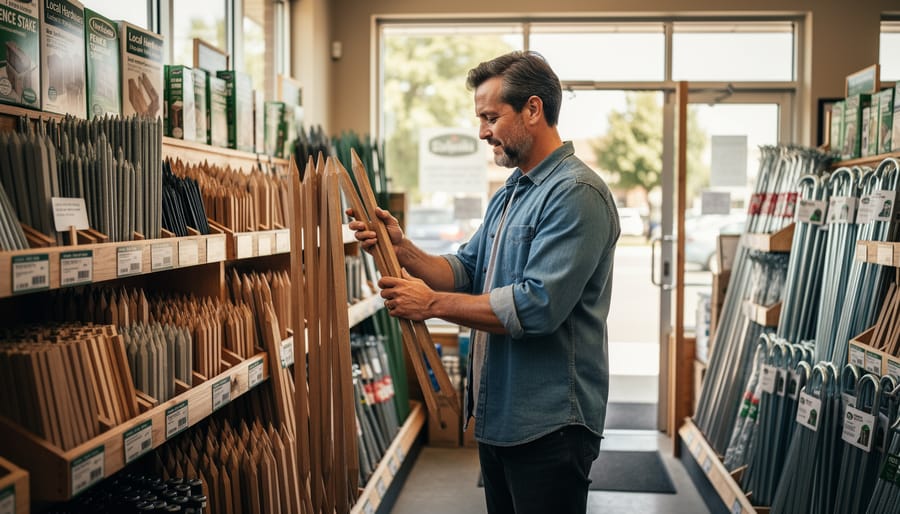
Your local garden center or hardware store isn’t just convenient, it’s where you can actually see, feel, and judge whether a stake is sturdy enough before handing over your cash. No surprise packages that arrive thinner than they looked online, and no shipping delays when your tomatoes are already leaning like the Tower of Pisa.
Start with independent nurseries. Their staff usually garden themselves and can recommend stakes based on what grows well in your area. Ask specific questions: “What holds up best for four-foot tomatoes?” or “Will these last more than one season outdoors?” Good answers reveal real experience, not just product specs read off a tag.
Hardware stores often stock bamboo stakes, wooden options, and basic metal rods in their garden sections. Check the stake diameter by gripping it, if it feels flimsy in your hand, it’ll feel worse under plant weight. Look for straight stakes without cracks or splits, and test metal ones for rust resistance if they’ll live outside year-round.
The hands-on advantage matters especially if you’re working with square foot gardening or compact beds where stake placement needs precision. You can measure against your hand, visualize spacing, and grab exactly the count you need instead of ordering packs of 50.
Timing helps too. Visit in early spring when stock is fresh and selection peaks, not mid-July when picked-over remnants remain. And if you find stakes that work, note the brand, then you’ll know what to hunt for next season, whether you’re shopping local or browsing online.
DIY Garden Stakes: When Making Your Own Makes Sense
Making your own gardening stakes taps into the creative, resourceful spirit that makes gardening so satisfying. Before you head to the hardware store, raid your yard and garage first. Sturdy branches from tree pruning make excellent natural stakes, especially for informal cottage gardens where rustic charm fits right in. Leftover bamboo from previous projects or old tomato cages past their prime can be repurposed into individual supports. Even those dowels sitting in your craft bin from when you learned how to make an arbor can find new life propping up dahlias.
That said, DIY stakes work brilliantly for annual plantings and experimental garden beds, but perennials that need reliable year-after-year support deserve the investment in quality purchased stakes. A homemade stick works fine for that volunteer tomato, but your prized heirloom roses merit something more permanent. Think of DIY stakes as your experimental tier and purchased supports as infrastructure. The best approach combines both: use found materials for casual needs and save your budget for the plants that really matter. This balanced strategy reduces waste while ensuring your garden gets proper support where it counts most.
Smart Shopping: Getting the Most Value from Your Stake Purchase
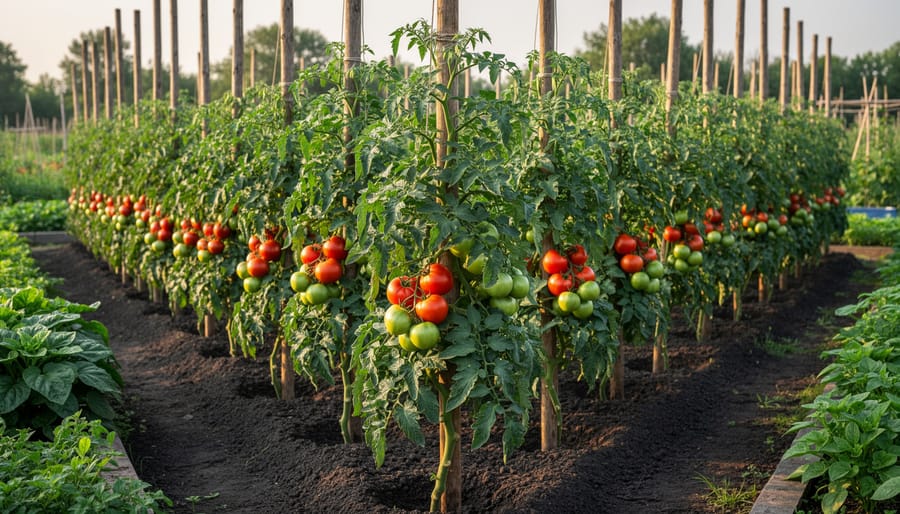
Let’s be honest: there’s a fine line between supporting a prized heirloom tomato and building an architectural monument for a plant that cost less than your morning coffee. Match your investment to what’s actually growing. Those basic bamboo stakes work fine for annuals you’ll replace next season, while perennials earning permanent garden real estate deserve metal or resin supports that’ll outlast multiple plantings.
Bulk buying makes sense when you know your needs. If you’re staking a whole tomato bed or establishing a cutting garden, buying stakes in quantity saves money per piece. For occasional use or trying new plant varieties, start small. You can always add more.
Timing matters. Garden centers often discount gardening stakes in late summer when most people have finished planting, and again in fall when they’re clearing inventory. Shop those sales for next season’s supplies. Spring prices reflect peak demand, so plan ahead if you want better deals.
Here’s where accessories earn their keep: those silicone staking connectors at $8.50 transform rigid stakes into adjustable supports you can reconfigure as plants grow. They’re like the Swiss Army knife of garden support, working with whatever stakes you already own. Similarly, add-on hoops or clips extend the usefulness of basic stakes without requiring entirely new systems.
Think durability. Metal stakes cost more upfront but survive years of use, including being hammered into hard soil and surviving pruning in 2026 sessions where you accidentally whack them with clippers. Bamboo stakes are economical but typically last one or two seasons before splitting. Calculate cost per growing season rather than just initial price.
Finding the right gardening stakes doesn’t need to be complicated. Whether you’re ordering specialized peony supports from Lee Valley, grabbing landscape stakes at your local hardware store, or repurposing materials you already have at home, the goal stays the same: give your plants the support they need to reach their full potential. Think of it as investing in your garden’s future, not just this season’s tomatoes.
The stakes you choose today will determine whether your delphiniums stand proud through summer storms or end up sprawled across the path like botanical casualties. And honestly, there’s something deeply satisfying about watching a well-supported plant thrive instead of keeling over mid-bloom.
Remember, strong stakes help plants stand tall, but they also help gardeners stand a little taller too. Every plant you keep upright is a small victory worth celebrating. Check out more Gardening Resources and Inspiration to keep your garden supported, thriving, and looking its absolute best.
