Herb Gardening for Beginners: Your Kitchen’s Fresh Flavor Revolution Starts Here
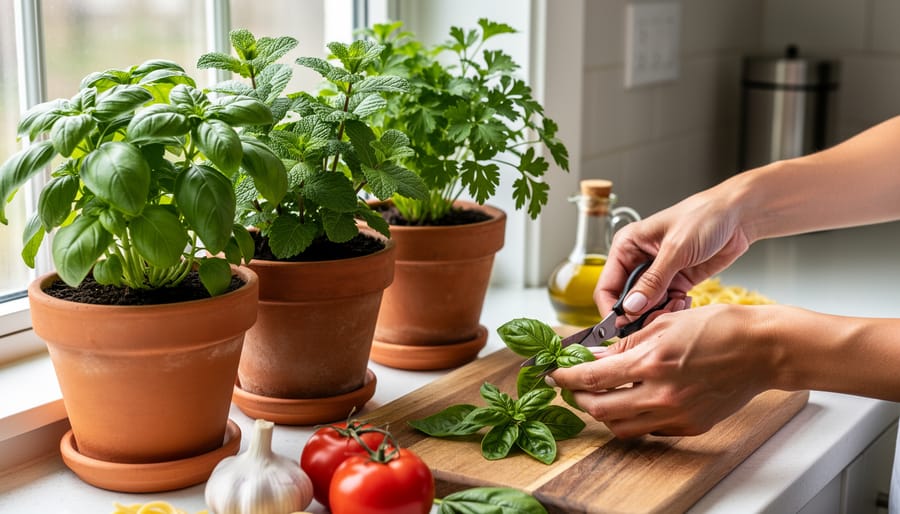
Picture this: you’re making pasta sauce and instead of reaching for that dusty jar of dried oregano, you step outside and snip fresh leaves from your own thriving plant. That’s the magic of herb gardening, and it’s way easier than you think.
If you’ve killed a cactus or two in your time, don’t worry. Herbs are surprisingly forgiving, and they’re practically begging to grow in your space, whether that’s a sunny windowsill, a balcony, or a proper backyard plot. The beauty of starting an herb garden in 2026 is that there’s never been more support for beginners. Community gardening workshops are popping up everywhere, online plant communities are thriving, and the collective wisdom of millions of home gardeners is just a click away.
Here’s what most people don’t realize: you can start small with just three pots, spend less than twenty dollars, and have fresh basil, mint, and parsley growing within weeks. No fancy equipment required. No green thumb necessary. Just soil, water, sunlight, and a bit of patience.
This guide will walk you through everything from choosing your first herbs to harvesting your bounty without accidentally murdering your plants. You’ll learn which herbs forgive neglect (hello, rosemary), which ones love attention (we’re looking at you, basil), and how to troubleshoot the most common problems before they become disasters.
Ready to transform your cooking and connect with something green? Let’s dig in.
Why 2026 Is the Perfect Year to Start Your Herb Garden
Right now, more people are discovering herb gardening than ever before. If you’ve been thinking about growing your own basil or mint, you’re part of a genuine movement toward fresher, more sustainable kitchens. The timing couldn’t be better.
Community support for beginners has exploded in 2026. Programs like The FarmGirl’s Herb Gardening 101 workshop, scheduled for May 9, 2026, offer hands-on guidance specifically designed for people just starting out. These beginner-focused sessions (The FarmGirl’s offers three time slots that day to accommodate demand) prove that learning to grow herbs has become genuinely accessible, not some intimidating agricultural undertaking.
The shift toward homegrown ingredients connects directly with broader environmental awareness. Growing your own herbs means fewer plastic clamshells in landfills, zero food miles from farm to table, and no pesticides unless you choose them. You’re literally shortening your supply chain to about fifteen feet. That fresh basil on your windowsill represents a tiny rebellion against industrial food systems, and it tastes better too.
There’s also something deeply satisfying about snipping herbs you grew yourself. It transforms cooking from a chore into something creative and connected. When you need cilantro, you don’t drive to the store and hope they have decent bunches. You walk to your kitchen counter.
The beginner-friendliness of 2026’s herb gardening culture matters most. You’re not expected to know everything before you start. The workshops, the online communities, the shared learning approach all recognize that everyone kills a basil plant or two while figuring things out. That’s part of the process, not a failure.
Choosing Your First Herbs: The Foolproof Starter Collection
Your first herbs should be your allies, not your adversaries. Start with varieties that practically beg to grow, forgive your learning curve, and actually enhance meals you already cook. Here are the champions that make herb gardening for beginners genuinely enjoyable.
| Herb | Difficulty | Best Conditions | Primary Uses |
|---|---|---|---|
| Basil | Easy | Warm, sunny | Italian dishes, salads, pesto |
| Mint | Very Easy | Partial shade, moist soil | Beverages, desserts, lamb |
| Parsley | Easy | Sun to partial shade | Garnish, sauces, soups |
| Chives | Very Easy | Full sun | Eggs, potatoes, dips |
| Cilantro | Moderate | Cool weather, partial shade | Mexican, Asian dishes, salsa |
Basil is the gateway herb. It grows fast, smells incredible, and transforms boring pasta into something you’d actually Instagram. Pinch the leaves regularly and it bushes out beautifully. Fair warning: basil is a total drama queen about cold weather and will throw a tantrum at the first hint of frost.
Mint is the overachiever that never knows when to stop. Plant it in a container unless you want your entire garden speaking peppermint by next season. It thrives on neglect, tolerates shade, and makes everything from mojitos to fruit salads taste like summer. The only way to kill mint is to try really, really hard.
Parsley looks elegant and grows reliably, though it takes its sweet time germinating from seed. Grab a starter plant instead. Both flat-leaf and curly varieties work, but flat-leaf packs more flavor. Use it generously because parsley is that friend who makes everyone else look better without stealing the spotlight.
Chives are the most forgiving herb you’ll ever meet. They’re perennial, meaning they return year after year without being asked. Snip the tubular leaves whenever you need a mild onion flavor, and they’ll keep producing. Bonus: their purple pom-pom flowers are edible and gorgeous.
Cilantro divides humanity into passionate lovers and equally passionate haters, but if you’re in the first camp, grow it. It bolts quickly in heat, so plant it in spring or fall, harvest often, and accept that it lives fast and dies young. When it goes to seed, you get coriander, so really, cilantro is the herb that keeps on giving.
Start with three of these five based on what you actually cook. A beginner who loves Thai food needs basil and cilantro. A breakfast enthusiast wants chives and parsley. Your herb garden should reflect your kitchen, not someone else’s Pinterest board.
Indoor vs. Outdoor: Finding Your Herb Garden’s Happy Place
Here’s the good news: your herbs don’t care whether you live in a Manhattan studio or have a sprawling backyard. They just want sunlight, decent soil, and someone who remembers they exist. The real question isn’t which location is “better,” but which setup fits your actual life.
Outdoor herb gardens offer the dream scenario. Six-plus hours of direct sunlight? Check. Natural rain to forgive your forgetful watering? Done. Room to experiment with a square foot herb garden or sprawling beds? You’ve got it. Outdoor herbs typically grow bigger, produce more, and handle the occasional neglect like champs. Basil outdoors becomes a bush; indoors, it’s more of a polite suggestion of a plant.
The outdoor challenge? You’re at nature’s mercy. Late frosts murder tender basil. Rabbits consider your cilantro a personal salad bar. And if you live in an apartment, “outdoors” might mean a fire escape that gets three hours of afternoon sun (which, honestly, can still work for mint and parsley).
Indoor container herb gardening solves the access problem beautifully. Snip fresh basil while your pasta water boils? That’s the indoor advantage. You control temperature, protect plants from pests, and harvest year-round. South-facing windows become prime real estate, though many beginners succeed with bright eastern or western exposure.
The indoor reality check: most kitchens don’t provide enough light. That sunny-looking counter? Probably three hours of indirect light, which leaves your basil stretching desperately toward the window like it’s searching for meaning. You’ll likely need a small grow light, but basic LED options are cheap and non-negotiable for robust growth.
Climate matters everywhere. Scorching Arizona summers might push your “outdoor” herbs to shaded morning-sun spots. Minnesota winters make indoor growing essential unless you’re cool with your garden taking a six-month nap.
Start where you’ll actually see and tend your herbs. That might be three pots on your kitchen windowsill or a dedicated garden bed. Both work. Both have produced generations of happy herb gardeners.
Essential Tools and Supplies (Without Breaking the Bank)
Here’s the truth about herb gardening for beginners: you don’t need a $200 self-watering planter system or a moisture meter that syncs to your phone. You need containers with drainage holes, decent soil, and maybe a watering can.
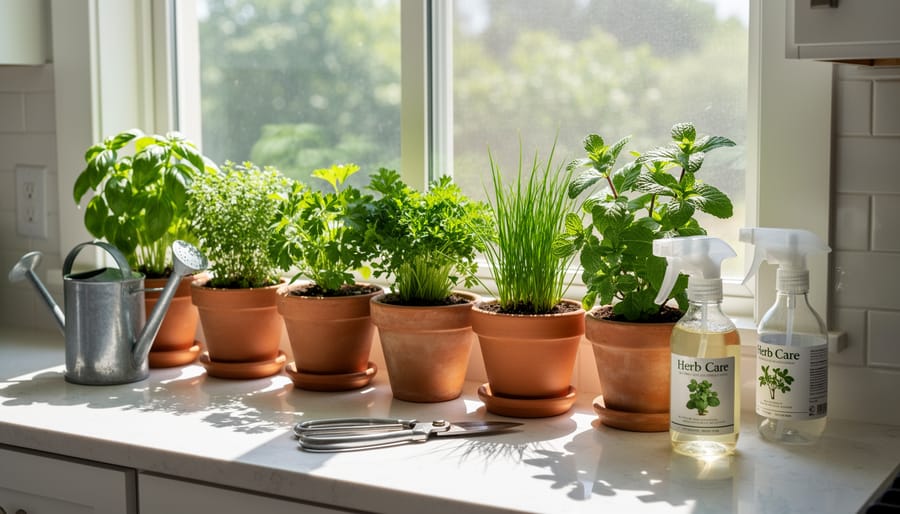
Let’s start with containers. Raid your recycling bin first. Yogurt tubs, tin cans, plastic takeout containers, anything that holds soil works once you poke holes in the bottom. If you prefer something prettier, terracotta pots are affordable and classic. Just grab a few six-inch pots to start. Your herbs won’t judge your aesthetic choices.
For soil, skip the garden dirt from your yard. Grab a bag of potting mix designed for containers. It drains better and won’t compact like outdoor soil. One bag costs about fifteen dollars and will pot a dozen herbs. Look for mixes labeled “for vegetables” or “all-purpose”, herbs aren’t fussy about brand names.
You’ll need basic tools: a small trowel for scooping soil, scissors or pruning shears for harvesting, and something to water with. A recycled milk jug with holes poked in the cap works perfectly well. So does an actual watering can if you want to feel fancy.
That’s genuinely it for essentials. Everything else, the cute plant markers, the grow lights, the special fertilizer blends, can wait until you’ve kept your first basil plant alive for a month. Start simple, spend less than fifty dollars total, and put your money toward more herb varieties instead of gadgets you’ll never use.
Planting Your Herbs: Seeds vs. Starter Plants
Here’s the thing about starting your herb garden: you can totally go either route, and you’ll be fine. Seeds make you feel like an actual garden wizard watching tiny green specks become actual plants. Starter plants give you instant gratification and herbs on your pasta by next week. Both work for herb gardening for beginners, so pick based on your patience level and timeline.
Seeds cost less and give you more variety when you buy herb seeds. You’ll find obscure basil varieties and specialty herbs that never show up at nurseries. The downside? They take weeks to grow, and some herbs like parsley test your commitment with slow germination. But there’s genuine magic in watching seeds sprout, and you’ll feel ridiculously proud of those first leaves.
Starter plants get you cooking faster. You can snip leaves within days, and the plants are already past their most vulnerable baby stage. They cost more per plant, but you skip the anxiety of wondering if those seeds will ever germinate. Many beginners grab a few starter plants to use immediately while growing others from seed.
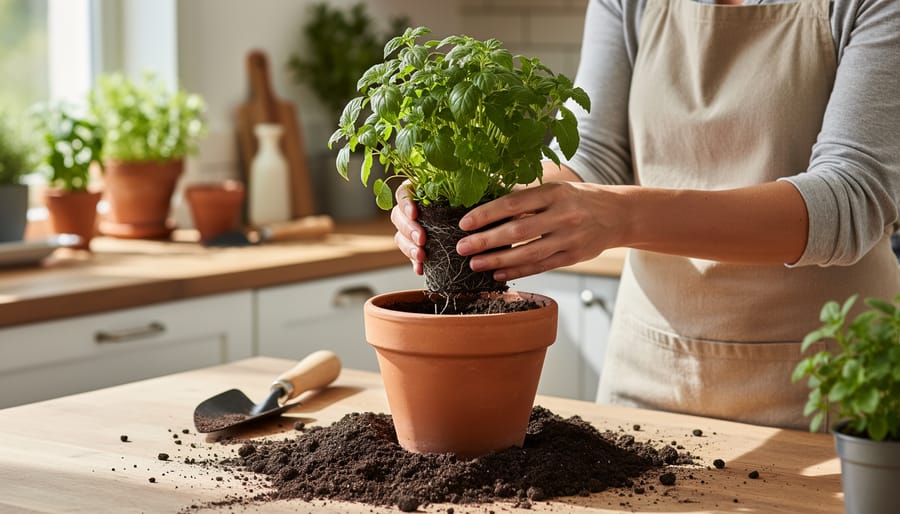
Now, here’s the insider secret making waves on TikTok in 2026: those supermarket herb pots are actually multiple seedlings crammed together. Those sad basil bunches from the grocery store can become thriving plants if you rescue them properly. Here’s how to save them:
- Gently remove the entire root ball and shake off excess soil to see individual plants.
- Carefully separate the cluster into smaller groups of two or three seedlings each.
- Plant each small group in its own container with fresh potting soil, burying stems slightly deeper than before.
- Water thoroughly and place in bright, indirect light for a few days while they recover from transplant shock.
- Pinch off any flower buds and trim back leggy growth to encourage bushier plants.
Give them a week to settle in before expecting new growth. Some might look droopy at first, but most bounce back beautifully. You’ve basically turned five dollars of grocery store herbs into several thriving plants.
Whether you start from seeds, buy proper starter plants, or rescue supermarket herbs, the key is just getting something green and growing. Your first attempt teaches you more than any guide ever could.
The Care Routine That Actually Works for Busy People
Let’s be honest: you’re not going to become a helicopter herb parent hovering over your basil with a moisture meter three times a day. You’ve got a life. The good news? Herbs are surprisingly forgiving once you nail down a simple routine that fits into your actual schedule.
The Watering Reality Check
Forget rigid schedules. Instead, learn the finger test: stick your finger about an inch into the soil. Dry? Water thoroughly until it drains from the bottom. Still moist? Leave it alone. Most beginners kill herbs with kindness (aka overwatering), so when in doubt, wait another day. Indoor herbs typically need watering every three to five days, outdoor plants more frequently during hot spells. Your basil will dramatically wilt when thirsty, then bounce back within hours of watering, it’s the plant world’s most dramatic attention-seeker.
Sunlight: The Non-Negotiable
Herbs need about six hours of direct sunlight daily. South-facing windows work brilliantly indoors; outdoors, pick a spot that gets morning sun at minimum. If your herbs start stretching toward the light like they’re doing yoga, they’re begging for more brightness. Rotate indoor pots weekly so all sides get equal exposure and your plants don’t develop lopsided personalities.
Feeding Without Fuss
Herbs aren’t heavy feeders. Mix a diluted liquid fertilizer (half the recommended strength) into your watering can once a month during the growing season. That’s it. Container herbs need this boost since they can’t tap into ground nutrients, but don’t overfeed or you’ll get leafy growth with weak flavor.
The Five-Minute Maintenance Habit
Once weekly, give your herbs a quick once-over. Pruning with scissors takes seconds but encourages bushier growth, snip the tips just above a leaf node. Remove any yellowing leaves, check for pests, and give plants a gentle shake to improve air circulation. This mini ritual prevents problems before they start and keeps you connected to your growing herbs without demanding major time commitments.
Troubleshooting Common Beginner Mistakes (We’ve All Been There)
Look, if your basil just keeled over for no apparent reason, welcome to the club. Every gardener who swears they have a green thumb has secretly murdered at least a dozen herbs along the way. The difference? They just kept planting.
The number one killer of beginner herbs is love. Specifically, too much watery love. Overwatering makes roots soggy and suffocated, turning leaves yellow and stems mushy. If your soil feels like a swamp, step away from the watering can. Most herbs prefer to dry out slightly between drinks. Stick your finger an inch into the soil, if it’s damp, wait another day.
Yellow leaves can also mean your herb is starving, especially if you’ve had it for a few months in the same pot. A gentle liquid fertilizer every few weeks usually perks them right up.
Leggy, stretched-out herbs reaching desperately toward the window? They’re literally crying out for more light. Move them closer to your brightest window or add a grow light. Pinch back those gangly stems to encourage bushier, stronger growth.
Why are my herb leaves turning yellow?
Yellow leaves usually signal overwatering or nutrient deficiency. Check if your soil is waterlogged, and consider adding fertilizer if the plant has been in the same pot for months.
What causes herbs to wilt even when watered?
Wilting despite watering often means root rot from overwatering or poor drainage. Let the soil dry out completely and ensure your pot has drainage holes.
Why is my basil growing tall and skinny?
Leggy growth means insufficient light. Move your herb closer to a sunny window and pinch back the growing tips to encourage bushier growth.
Tiny bugs clustering on your mint? Aphids love herbs almost as much as you do. A strong spray of water knocks most off, or try insecticidal soap for stubborn infestations. Indoor herbs get fewer pests, but keep an eye out anyway.
The truth about herb gardening for beginners is that it involves some spectacular failures. That parsley that mysteriously vanished overnight, the cilantro that bolted before you could make salsa, the thyme that just gave up, these are badges of honor, not reasons to quit. Each dead herb teaches you something valuable, usually about your watering habits or windowsill light levels. Keep experimenting, stay curious, and remember that even experienced gardeners still occasionally kill their cilantro.
Creative Ways to Display and Decorate with Your Herb Garden
Your herb garden doesn’t have to live in boring plastic pots on a windowsill. Transform your herbs into living art that celebrates both function and style while staying true to your environmental values.
Start with upcycled containers that tell a story. Old tea tins, chipped teacups, vintage colanders, and repurposed wooden crates make charming herb homes. Drill drainage holes in metal containers, and suddenly your grandmother’s dented kettle becomes a whimsical basil planter. Thrift stores are goldmines for quirky vessels that cost pennies and add personality your kitchen deserves.
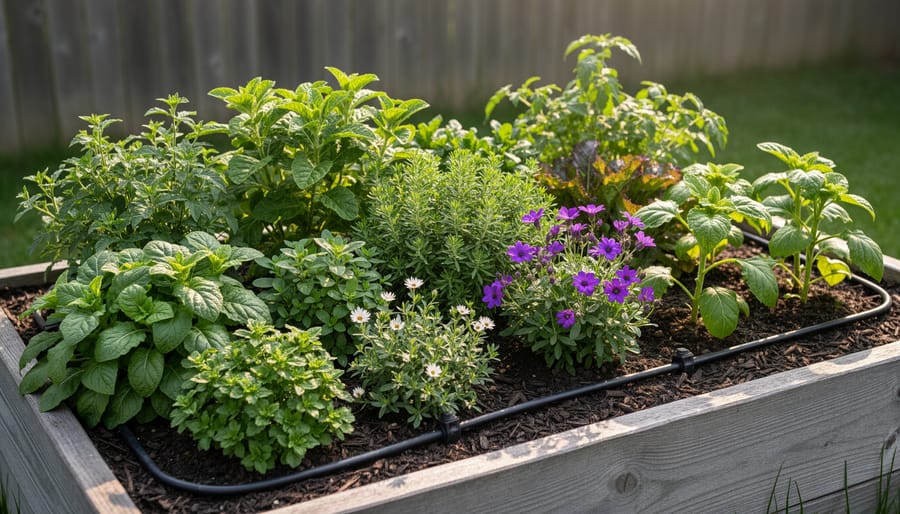
Vertical gardens solve space problems beautifully. Mount a wooden pallet against a sunny wall, tuck herbs into the slats, and watch your vertical kitchen garden flourish. Hanging gutter planters create eye-level herb strips perfect for harvesting while you cook. If you’re expanding beyond containers, raised bed gardening offers organized, accessible growing space that looks intentionally designed.
Create themed displays that spark conversation. Group Mediterranean herbs (rosemary, thyme, oregano) in terracotta pots clustered on a sunny bench. Arrange tea herbs (mint, chamomile, lemon balm) in vintage teapots along a kitchen shelf. Paint mismatched pots in coordinating colors for cohesive visual impact without sacrificing creativity.
Mason jar herb gardens attached to reclaimed wood boards bring farmhouse charm to any wall. Label each jar with chalkboard paint for practicality that doubles as décor. Your herbs become functional sculpture that feeds both your meals and your creative spirit.
You’ve made it. You’re officially ready to join the herb gardening for beginners revolution happening right now. And here’s the beautiful truth: there’s no such thing as a perfect herb garden, only your herb garden. The basil that gets a little leggy, the mint that takes over half your balcony, the parsley that thrives against all odds, they’re all part of your unique growing story.
The herb gardening for beginners community is thriving in 2026, and you’re not alone on this journey. Programs like The FarmGirl’s Herb Gardening 101 workshop (offering three sessions on May 9, 2026) provide hands-on instruction for fellow gardeners just starting out. Local gardening groups, online forums, and even your neighbor with the impressive windowsill collection can become valuable resources as you experiment and learn.
Start small, stay curious, and give yourself permission to learn as you grow. That first snip of homegrown basil for your pasta, the satisfaction of harvesting cilantro you planted yourself, the intoxicating smell of fresh mint crushed between your fingers, these moments are waiting for you. Your kitchen deserves fresh herbs, your home deserves the life and creativity of a thriving herb garden, and you absolutely have what it takes to make it happen.
So grab a pot, some soil, and your first herb plant. Your fresh flavor revolution starts now.
