
Chaos Gardening: The Wildly Creative Way to Garden Without a Plan
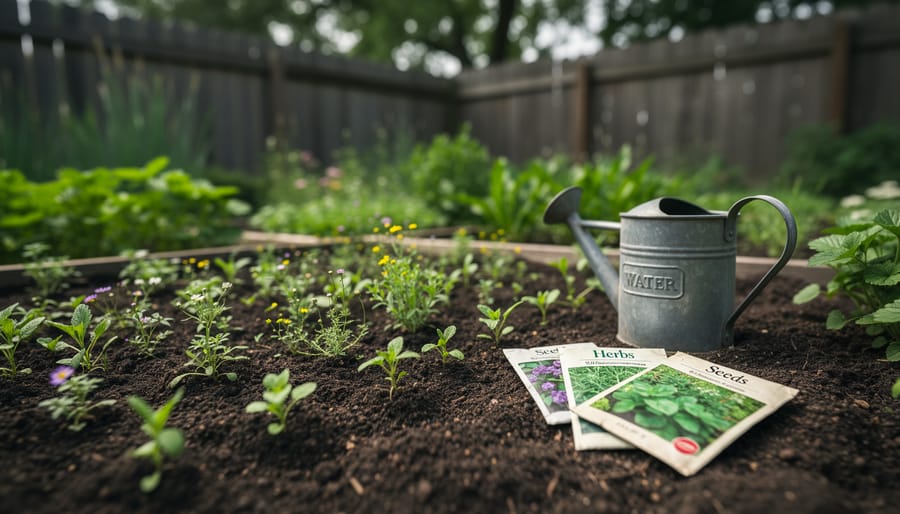
Forget perfect rows and meticulous planning. Chaos gardening flips traditional gardening on its head by throwing a wildflower seed mix (or whatever leftover packets are cluttering your shed) onto a patch of soil and letting nature sort out the details. Think of it as the gardening equivalent of abstract art: beautifully unpredictable, surprisingly functional, and far more forgiving than those precision-planted tomato cages gathering dust in your garage.
The concept couldn’t be simpler. You scatter seeds across prepared soil, water them in, and watch what thrives. No transplanting seedlings at exactly the right spacing. No agonizing over companion planting charts. The plants compete, cooperate, and create their own ecosystem while you sip lemonade and admire the controlled anarchy unfolding before you.
Why does this actually work? Biodiversity is the secret sauce. When you plant a dozen different species together, you’re creating a resilient mini-ecosystem that naturally discourages pests, attracts pollinators, and fills every available niche with something productive or beautiful. Some plants will surprise you by thriving in conditions you’d never have chosen for them. Others will fail spectacularly, and that’s fine too.
This approach resonates perfectly with our current gardening moment. We’re all looking for methods that save time, reduce stress, and work with the environment rather than against it. Chaos gardening delivers all three while producing results that look intentionally wild and cottage-garden charming. You’ll get fresh herbs, cutting flowers, pollinator magnets, and bragging rights about your “experimental garden design” without admitting you basically just yeeted some seeds and hoped for the best.
What Exactly Is Chaos Gardening?
Chaos gardening throws out the gardening rulebook and asks a simple question: what if you just let the plants figure it out? Instead of plotting neat rows and spacing seedlings with a ruler, you grab a handful of mixed seeds and scatter them across prepared soil. No grid, no plan, no stress. You water, you wait, and you watch nature improvise.
This isn’t about dumping random seeds on hard ground and hoping for magic. Chaos gardening is intentional randomness. You still choose compatible seeds that share similar water and sun needs. You still prepare decent soil. The difference is you surrender control over who grows where, letting plants self-organize into combinations you’d never design yourself.
The philosophy taps into something gardeners crave in 2026: permission to stop overthinking. Traditional gardening demands precision, careful spacing charts, and rigid timelines. Chaos gardening says forget the graph paper. A tall sunflower shading a cluster of low calendulas? Beautiful. Cosmos weaving through bachelor’s buttons in a tangle of color? Perfect. The unpredictability becomes the art.
This approach celebrates biodiversity over uniformity. Where formal gardens impose order, chaos gardens create habitat. Pollinators bounce between random blooms. Plants compete and cooperate in ways that mirror wild meadows, not suburban flowerbeds.
Here’s the distinction that matters: chaos gardening is not neglect wearing a trendy name. Neglect ignores soil health and dumps invasive species everywhere. Chaos gardening makes smart seed choices upfront, then steps back. You’re not abandoning the garden. You’re trusting it to surprise you with something better than your original plan ever was.
Why Chaos Gardening Works (And Why It’s Perfect for 2026)
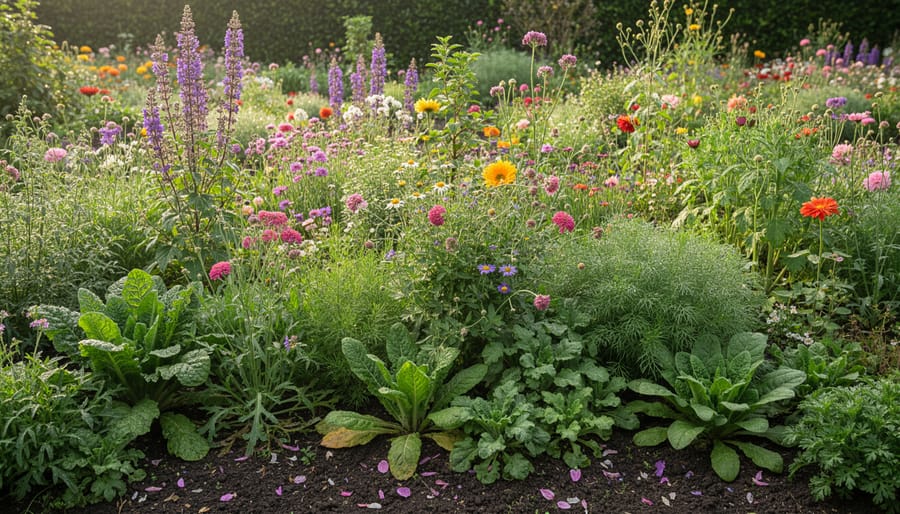
Chaos gardening taps into something gardeners have known for centuries: nature doesn’t need our micromanagement to thrive. When you scatter mixed seeds and step back, you’re essentially recreating the conditions of a healthy meadow or prairie, where plants self-organize into balanced communities. The result? A garden that works with ecological principles rather than against them.
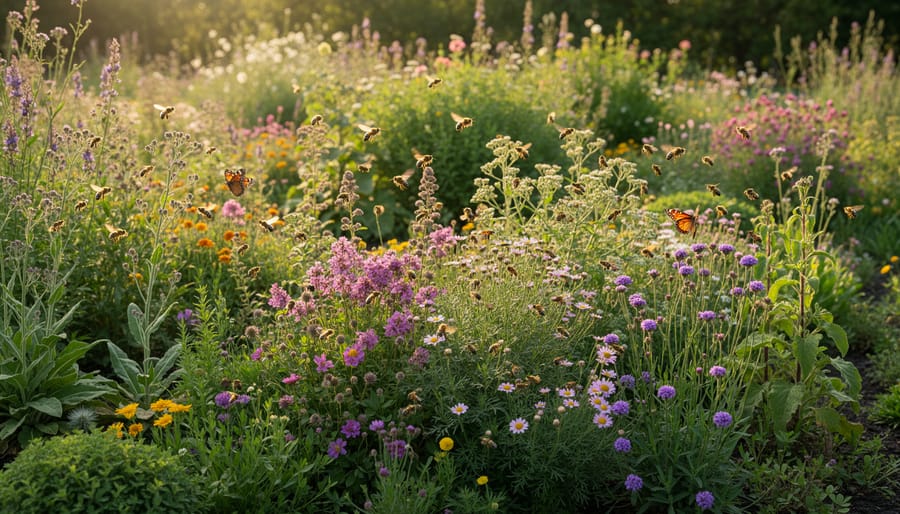
The biodiversity angle alone makes this approach compelling. Traditional row gardens create monocultures that pests love and beneficial insects ignore. A chaos garden, packed with varied species blooming at different times, becomes a buffet for pollinators from spring through fall. Bees, butterflies, and hoverflies get continuous nectar sources, while the mix of plant structures provides habitat for ground beetles and lacewings that keep aphid populations in check. You’re not just growing flowers, you’re building a functioning mini-ecosystem.
Then there’s the time factor, which resonates with anyone juggling work, family, and the desire for a beautiful outdoor space. No weekend afternoons lost to measuring spacing or agonizing over companion planting charts. No guilt when you can’t deadhead perfectly or stake every stem. Chaos gardens forgive your busy schedule because they’re designed to flourish with minimal intervention. Water during establishment, pull any thugs that threaten to take over completely, and otherwise let the garden do its thing.
The sustainability piece fits perfectly with where gardening culture is heading in 2026. We’re moving away from resource-intensive lawns and fussy ornamental beds toward approaches that conserve water, skip chemicals, and support local wildlife. Chaos gardening delivers all three while producing genuine surprise, color combinations you’d never plan, unexpected plant partnerships, and volunteers popping up in year two that create entirely new looks. It’s productive laziness at its finest, with an environmental bonus that makes the whole experiment feel virtuous rather than slapdash.
How to Start Your Own Chaos Garden
Getting started is refreshingly simple, chaos gardening actually gets easier the less you overthink it. Here’s how to create your first intentionally wild space.
**Pick your spot.** Choose anywhere that gets at least six hours of sun and has decent drainage. A bare patch in your yard, a neglected corner, or even a section of lawn you’re tired of mowing will work. If you’re working with containers or raised bed gardening that’s perfect too, chaos doesn’t require ground space.
**Clear the canvas.** Remove existing weeds and grass, but don’t stress about perfection. Pull or smother the big stuff, then rake the surface lightly. You want to expose some soil so seeds can make contact, but you’re not creating a pristine seedbed. This is chaos, not surgery.
**Improve what you’ve got.** Scatter a thin layer of compost over your area and work it in lightly with a rake. Good soil gives your random assortment the best shot at success. If your dirt is truly terrible, add a bit more organic matter, but resist the urge to create perfect conditions, part of the magic is seeing what thrives despite imperfection.
Once your space is ready, follow these steps to plant your chaos garden:
- Mix your seeds thoroughly in a bowl or bucket so everything’s evenly distributed, you want true randomness, not clumps of one type.
- For easier broadcasting, blend your seed mix with dry sand or vermiculite (about four parts carrier to one part seeds). This helps you see where you’ve sown and spreads seeds more evenly.
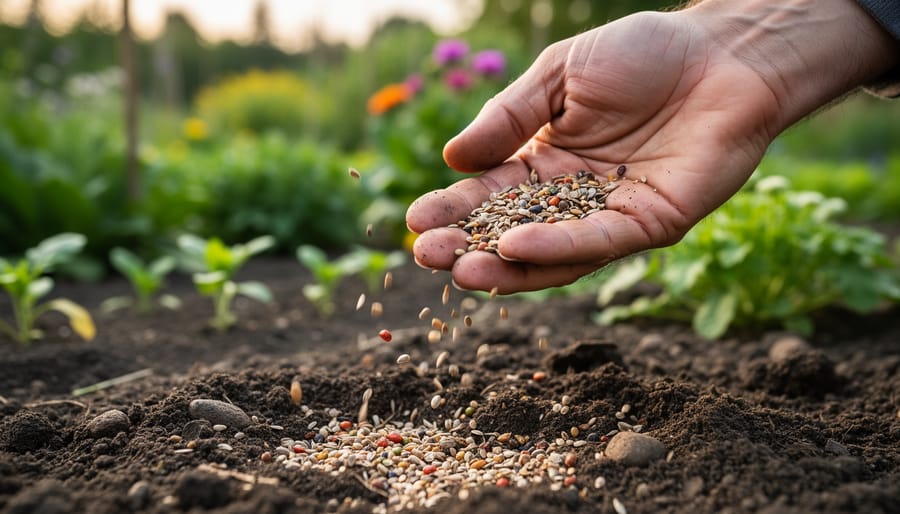
- Scatter seeds by hand in a sweeping motion, walking back and forth across your plot. Imagine you’re feeding enthusiastic chickens. Overlap your passes slightly.
- Lightly rake the area to barely cover most seeds, they need soil contact but shouldn’t be buried deep. A gentle once-over is plenty.
- Water gently with a sprinkler or soft spray. Keep the soil consistently moist (not soggy) for the first two weeks while seeds germinate.
After germination, you can back off watering unless you hit a dry spell. The beauty of chaos gardening is that you’re not nursing individual seedlings, you’re supporting a crowd that will sort itself out. Some seeds won’t sprout, some plants will dominate, and that’s exactly how it should be. You’re creating a living experiment, not following a blueprint.
Smart Seed Selection: Creating Your Chaos Mix
The beauty of chaos gardening lies in strategic randomness, you’re not planning a layout, but you’re not tossing weeds into a pot either. The trick is choosing seeds that share similar needs so they can thrive together without micromanagement.
Start by matching water and sun requirements. Don’t mix desert-loving zinnias with moisture-hungry impatiens. Group full-sun lovers together, or create a separate shade chaos mix. When plants want the same things, they compete fairly rather than one dominating while others struggle.
Next, think about height and bloom timing. Layer tall plants like cosmos or sunflowers with mid-height options such as calendula, then add low growers like sweet alyssum. This creates natural visual interest without planning exact placements. Stagger bloom times too, early, mid, and late-season flowers ensure your chaos garden delivers color from spring through frost rather than one explosive month followed by nothing.
Native wildflowers are chaos garden gold. They’re adapted to your region’s rainfall and soil, require minimal fussing, and support local pollinators. Browse garden seed catalogs for regional wildflower mixes, or choose individual natives that complement your picks. Black-eyed Susans, coreopsis, and bachelor’s buttons play well with others.
Don’t forget edibles. Lettuce, arugula, radishes, and herbs like cilantro and dill scatter beautifully among flowers. You’ll harvest salad greens from unexpected spots while the foliage adds texture. Many cottage garden plants work perfectly in chaos mixes, they’re traditionally tough, self-seeding varieties bred for English gardens where plants mingled freely.
A smart starting ratio: 60% flowers for visual impact, 30% pollinator favorites like borage or phacelia, and 10% edibles for function. Adjust based on your priorities, but keep combinations loose. The goal is creating conditions where multiple species can coexist, then letting them sort out the details.
Real-World Chaos Gardening in Action
The chaos gardening movement isn’t just playing out in backyard experiments, it’s showing up in community programs across the country. This spring, the Community Library is hosting “Wild Blooms: Zinnias & Chaos Gardening” on Saturday, April 11, 2026, from 11:00 AM to 12:00 PM in the Salem Meeting Room. It’s exactly the kind of grassroots workshop that’s bringing this trend from Instagram feeds into real garden beds.
What makes these community events valuable is they’re introducing chaos gardening to people who might never stumble across it online. You’ll meet other gardeners willing to ditch the square foot gardening grid and embrace a messier approach. Many workshops include seed-swap elements where participants share their favorite wildflower and zinnia varieties, perfect for building your chaos mix without buying dozens of packets.
If you can’t find a local event, consider starting your own. Grab a few gardening friends, pool your leftover seeds, and declare a chaos gardening experiment in someone’s yard or a community plot. Half the fun is comparing results and discovering which unexpected combinations thrived in your specific microclimate.
Managing (Not Controlling) Your Chaos Garden
Here’s the paradox of chaos gardening: it thrives on neglect, but total abandonment turns your creative experiment into a tangled mess. The trick is learning when to step in and when to step back.
Start with strategic thinning once your seedlings reach a few inches tall. You’re not aiming for neat rows, but you do need to give plants breathing room. Pull crowded areas where nothing can establish, keeping the strongest seedlings and the most interesting combinations. Think of it as editing, not controlling. If you’ve got six cosmos jammed in a two-inch circle, yes, thin them. But if that unexpected bachelor’s button is wedged between two zinnias and they’re all thriving? Leave it alone.
Aggressive spreaders need watching. Some plants, especially certain native wildflowers or herbs, will dominate if unchecked. When you notice one species muscling out everything else, pull some back to restore balance. You’re supporting biodiversity, not presiding over a hostile takeover. Morning glory sounds romantic until it strangles your sunflowers.
Water during establishment, then let nature handle most of it. A chaos garden isn’t a desert survival test, but it shouldn’t need daily attention either. Deep watering once or twice a week beats frequent shallow drinks.
Here’s the most important maintenance task: embrace what shows up. That strange color combo you never planned? The volunteer tomato from last year’s compost? The way those marigolds formed a perfect arc? These surprises are the whole point. Your job is to observe, appreciate, and resist the urge to impose order on something designed to delight through randomness.
Creative Ideas to Expand Your Chaos Garden
Once you’ve mastered the basics, chaos gardening becomes an invitation to experiment. The beauty of this approach is its flexibility, you can apply the same principles to nearly any growing space, from a forgotten corner to a handmade container brimming with surprise blooms.
Container chaos gardens bring the magic to patios, balconies, and doorsteps. Fill a large pot or whiskey barrel with a chaos mix tailored to the container’s depth and sun exposure. Smaller pots work too, try a chaos herb mix or miniature wildflower blend. The confined space actually intensifies the effect, creating dense, unexpected combinations that spill over the edges. Paint or decorate the containers yourself to add another layer of personality.
Parking strips and hell strips (those neglected patches between sidewalk and street) are perfect chaos garden candidates. They’re already challenging spaces with compacted soil and variable moisture, so why not let a tough, drought-tolerant chaos mix take over? You’ll transform an eyesore into a pollinator haven while reducing mowing. Just check local ordinances first, some municipalities have height restrictions.
Here are more ways to expand your chaos gardening adventures:
- Chaos cutting gardens, plant a generous seed mix heavy on zinnias, cosmos, and sunflowers for endless bouquets you never planned
- Themed color mixes, create all-white chaos gardens, sunset palettes, or cool-toned blues and purples for a slightly more curated look
- Edible chaos plots, blend salad greens, herbs, and edible flowers for a functional food garden that looks gorgeous
- Vertical chaos, toss climbing nasturtiums, morning glories, and sweet peas together at the base of a trellis or fence
Connect your chaos garden to your creative side by adding DIY elements. Paint rocks with whimsical designs and nestle them among emerging seedlings. Create handmade plant markers from driftwood or old silverware stamped with words like “Surprise!” or “Nature’s Choice.” Build simple bee hotels or butterfly feeders to enhance the habitat you’re creating. The randomness of the planting pairs beautifully with intentional artistic touches, your garden becomes both wild and deeply personal at the same time.
Chaos gardening isn’t just a trend for 2026, it’s a rebellion against perfection and a return to what makes gardening truly joyful. When you scatter seeds without a rigid plan, you’re not being careless. You’re making space for surprise, for discovery, for those magical plant combinations you’d never have dreamed up on your own.
This approach gives you permission to let go. No guilt over mismatched colors, no stress about whether your spacing is optimal, no comparing your garden to magazine spreads. Instead, you get pollinator magnets, unexpected beauty, and a living reminder that imperfection can be gorgeous.
Better yet, you’re helping the planet while you play. Every chaos garden becomes habitat, every wild bloom feeds something hungry, and every untamed corner proves that nature knows what it’s doing.
So grab a handful of seeds this season and throw them where they’ll make you smile. Let them tumble into cracks, spill along edges, or colonize that neglected strip by the driveway. Your garden doesn’t need a blueprint. It needs your willingness to see what happens when you step back and let life do its thing.
