
Where to Plant Roses: Sun or Shade? (And When Location Matters Most)
Roses thrive in full sun, period. Give them at least six hours of direct sunlight daily, and you’ll be rewarded with vigorous growth, abundant blooms, and fewer disease headaches. But before you stake out the sunniest corner of your yard and call it done, understand that “full sun” doesn’t mean the same thing in Phoenix as it does in Portland, and microclimates can turn conventional wisdom on its head.
The verdict is clear: sunlight fuels rose success. Those iconic blooms are solar-powered factories, converting rays into fragrance, color, and stem strength. Skimp on light, and your roses will sulk, producing leggy growth, sparse flowers, and inviting every fungal freeloader in the neighborhood to set up shop. But location isn’t just about raw hours of sunshine. Your climate zone, soil drainage, and even the architecture of your garden create subtle variations that can make a four-hour morning sun spot outperform an eight-hour scorcher in the wrong conditions.
This isn’t about memorizing a rigid rule. Smart rose planting means reading your landscape like an artist reads a canvas, spotting opportunities where light, moisture, and airflow collaborate to create the perfect stage. Whether you’re working with a postage-stamp urban plot or sprawling beds, understanding how sun and shade interact with your specific environment transforms rose gardening from guesswork into genuine craft.
The Quick Answer: Sun Wins (But It’s Not That Simple)
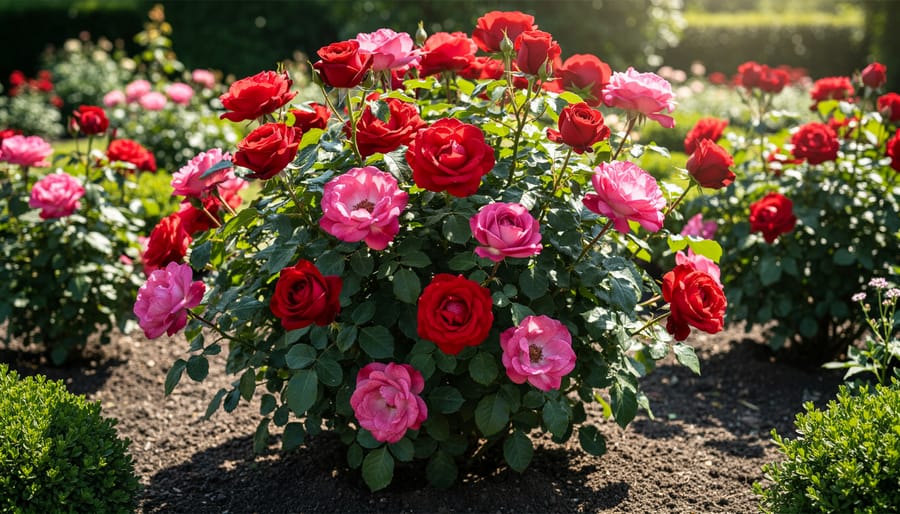
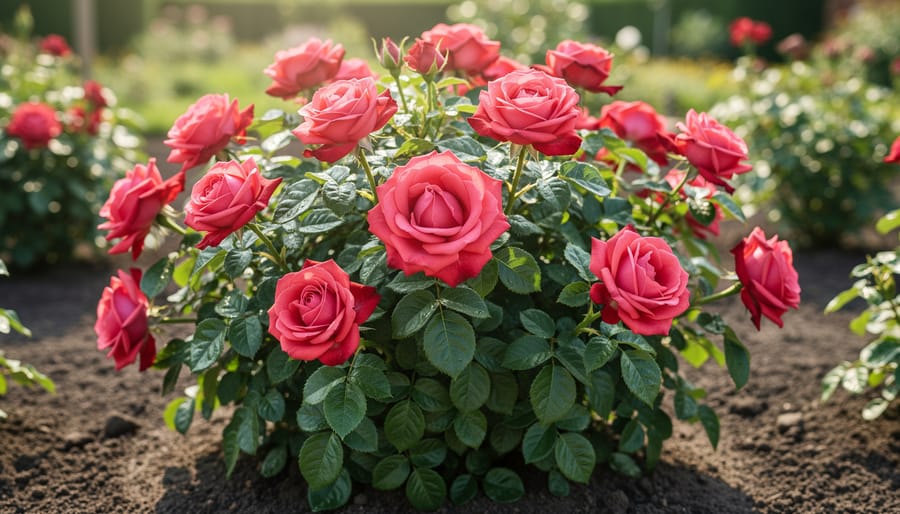
Here’s the straight answer: most roses need at least six hours of direct sunlight daily to bloom their hearts out. Morning sun is your MVP here, it dries dew off the leaves, reducing disease risk, while giving your roses the energy they need for strong growth and abundant flowers. If you can swing six to eight hours of sun, you’re in the sweet spot.
Now, before you grab your shovel and head for that blazing south-facing bed, here’s where it gets interesting: your climate zone, local microclimates, and even the time of year you’re reading this can shift the sun-versus-shade calculus. A rose in scorching Arizona has different needs than one in cloudy Seattle. Some varieties genuinely tolerate partial shade, though they won’t win any flower-count competitions. The point is, while sun definitely wins this match, the championship details depend on where you live and what you’re growing.
Understanding Rose Sun Requirements
What ‘Full Sun’ Really Means for Roses
“Full sun” sounds straightforward until you’re standing in your yard with a stopwatch, wondering if that dappled light under the oak tree counts. For roses, full sun means at least six hours of direct, unfiltered sunlight daily. The sweet spot? Six to eight hours. More won’t hurt in most climates, but six is the minimum threshold where roses shift from survival mode to thriving mode.
Here’s where it gets nuanced: not all sun hours are created equal. Morning sun is your rose’s best friend. Those gentle early rays dry dew off leaves (reducing fungal issues), provide steady energy without scorching, and set the plant up for photosynthesis success all day. Afternoon sun packs more intensity, especially in hot climates. A rose getting six hours of morning sun will typically outperform one receiving six hours of harsh 2-6 PM blaze, particularly in zones 7 and warmer.
Track your sun patterns across a full day before planting. That “sunny” spot might only catch four real hours once you account for tree shadows and roof lines. Roses can’t compromise on this, they’ll tell you through sparse blooms and leggy growth if you’ve miscalculated.
The Consequences of Too Much Shade
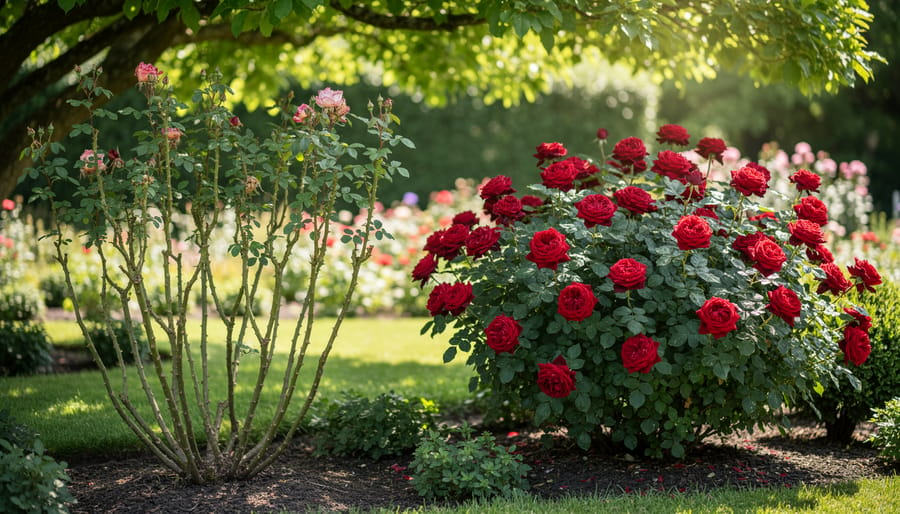
When a rose doesn’t get its six hours of sunlight, it doesn’t just sulk quietly, it starts sending distress signals that are hard to miss. Think of it like trying to run on three hours of sleep: you might technically function, but you’re definitely not at your best.
Shaded roses stretch desperately toward whatever light they can find, producing weak, spindly growth that flops over instead of standing proud. You’ll notice fewer flowers (sometimes heartbreakingly few), and the blooms that do appear tend to be smaller and less vibrant. The leaves often look pale or yellowish rather than that rich, glossy green we love. Worst of all, damp, shaded conditions create a fungal disease paradise, black spot and powdery mildew move in like they’ve found a vacation home.
Watch for these warning signs that your rose is starving for sunlight:
- Leggy, stretched stems with long gaps between leaves
- Sparse blooming or blooms that never fully open
- Yellowing leaves, especially on lower branches
- Increased fungal problems like black spot or mildew
The good news? Roses are remarkably forgiving. If you catch these symptoms early, you can often transplant to a sunnier spot during the dormant season, or try pruning nearby trees to let in more light. Even struggling roses can bounce back beautifully when they finally get the sunshine they’ve been craving, it’s never too late to give them a brighter future.
The Few Roses That Tolerate Shade
Not all roses sulk in shadier spots. A handful of varieties have adapted to perform reasonably well with 4-5 hours of sun or dappled light throughout the day. Just temper your expectations, they’ll bloom less profusely and grow more slowly than their sun-drenched cousins.
The Alba roses, ancient and tough, tolerate partial shade better than most. ‘Félicité Parmentier’ and ‘Maiden’s Blush’ will still produce fragrant blooms even when tucked under light tree canopy. Many of the old Gallicas also handle shadier conditions without completely giving up, though you’ll get perhaps half the flowers.
Some modern shrub roses bred for disease resistance, like the ‘Knock Out’ series, manage in less-than-ideal light, though their trademark vigor diminishes noticeably. They won’t die, but they won’t exactly thrive either, think of it as survival mode rather than their best life.
Factors That Shift Your Sun-and-Shade Strategy
Climate Zone Reality Check
Your USDA hardiness zone doesn’t just tell you which roses survive winter. It fundamentally changes what “full sun” means for your garden.
In zones 8-10, where summer heat can scorch, that classic “six hours of sun” rule needs adjusting. Your roses still crave morning light, but afternoon shade becomes protective rather than problematic. A spot that gets intense sun from dawn until 2 p.m., then dappled shade as temperatures peak, often outperforms all-day exposure in Phoenix or Houston. The blooms last longer, foliage stays healthier, and you’ll water less frantically.
Northern gardeners in zones 3-5 face the opposite challenge. Every sunny hour counts when your growing season is compressed and light comes at a lower angle. That south-facing wall everyone warns against in hot climates? In Minnesota, it’s your secret weapon for heat accumulation and winter protection.
Check your zone, then walk your yard during peak summer and observe where afternoon heat becomes punishing versus merely warm. Your roses will tell you the difference through their foliage.
Microclimate Magic
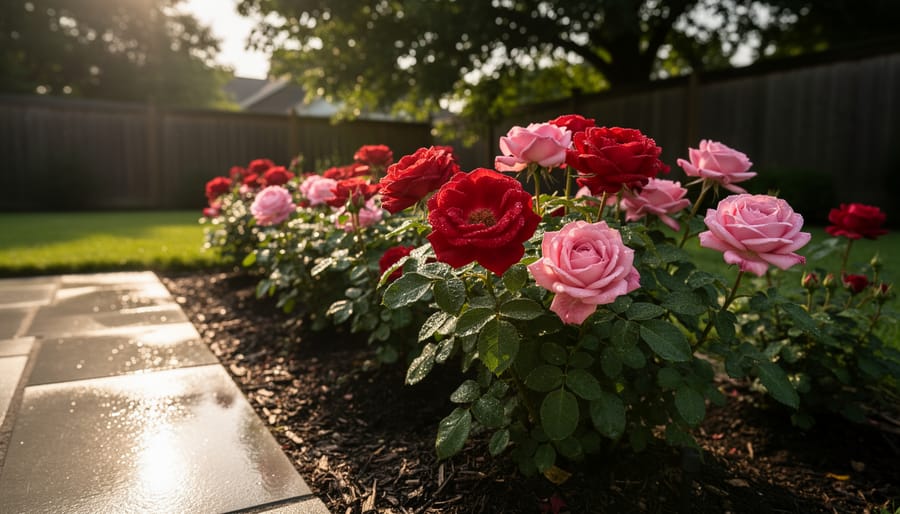
Your yard isn’t one uniform climate zone, it’s a patchwork of tiny microclimates that can make or break your roses. That south-facing brick wall? It creates a heat pocket that adds weeks to your growing season and can turn a zone 6 garden into a zone 7 microclimate. The dappled shade under your oak tree filters harsh afternoon sun while still delivering the morning rays roses crave.
Start playing detective. Notice where snow melts first in spring, where puddles linger after rain, and which spots stay cooler on scorching summer afternoons. That corner sheltered by your garage might protect tender roses from drying winds while still catching ample sun. Even a white fence can bounce extra light onto nearby roses, effectively giving them more sun exposure than the raw hours suggest.
Walk your yard at different times of day across several weeks. Take photos. You’ll spot opportunities to use these natural advantages, planting heat-lovers against warm walls or positioning delicate varieties where buildings provide afternoon relief without blocking essential morning light.
Seasonal Sun Shifts
That supposedly perfect sunny spot you scouted in March? By July, it might be drowning in tree shade from those newly leafed-out maples overhead. Seasonal sun shifts are real, sneaky, and can completely change your rose’s living conditions throughout the year.
The sun’s angle changes dramatically between winter and summer, what gets six hours of light in April might only see three by midsummer when the sun arcs higher and that neighbour’s fence casts a longer shadow. Deciduous trees are the biggest wildcards: bare branches in early spring let sunlight flood through, but once they leaf out in late spring, they can block 70-90% of available light. If you’re eyeing a spot near trees, visit it multiple times between March and August to see the full story.
Similarly, what feels like scorching, brutal sun exposure in peak summer might be perfectly gentle come September when the sun sits lower and cooler. This is why fall-planted roses often establish beautifully in spots that would stress spring-planted ones during their first summer. Take photos of your potential planting area at the same time of day across different months, noting where shadows fall. It’s a bit like being a garden detective, but this homework pays off when your roses thrive instead of sulk because you understood their year-round reality, not just a single season’s snapshot.
Best Planting Locations Beyond Just Sun
Drainage and Soil Considerations
Roses might love sunshine, but they’re downright fussy about wet feet. Even the sunniest spot becomes a rose graveyard if water pools around the roots. Before you plant, do the shovel test: dig a hole about 12 inches deep, fill it with water, and watch how long it takes to drain. If water sits for more than an hour after the initial soaking, you’ve got drainage issues that need fixing.
The ideal rose soil drains well but holds enough moisture to keep roots happy between waterings. Think chocolate cake texture, not sticky clay or sandy desert. Test your soil by squeezing a handful. It should clump when pressed but crumble easily when poked. Too sticky? Work in compost and coarse sand. Too sandy? Add organic matter like aged manure or leaf mold.
Most roses thrive in slightly acidic soil with a pH between 6.0 and 6.5. A simple soil test kit from your garden center reveals whether you need to amend. Raising beds 8 to 12 inches above grade solves most drainage headaches while giving you complete control over soil quality.
Air Circulation and Spacing
Roses need breathing room just as much as they need sunshine. When plants are crammed together, air can’t flow freely around the leaves and stems, creating a damp, stagnant environment where fungal diseases throw a party. Black spot and powdery mildew love those conditions.
Space your roses at least three feet apart, minimum. If you live in a humid climate, hello, Southeast, err on the side of more space, not less. Consider prevailing winds when choosing your spot. A location that gets gentle air movement is ideal, but avoid wind tunnels that’ll batter your blooms.
Here’s the trick: you want enough airflow to keep leaves dry after rain or morning dew, but not so much exposure that your roses become windswept and stressed. That sweet spot usually means avoiding tight corners, dense plantings, and walls that block breezes entirely.
Accessibility and Garden Design
The perfect sunny spot isn’t just about light, it’s about creating a rose garden you’ll actually use and love. Think about where you naturally spend time outdoors, where you walk most often, and which views from your kitchen window or patio could use some floral drama.
Place roses where you can easily reach them for deadheading, watering, and that inevitable closer-look-at-this-gorgeous-bloom moment. A rose tucked in a far corner might get neglected, no matter how sunny the spot. Consider pathways, accessibility from your garden shed or hose, and whether you’ll want to clip blooms for indoor arrangements. If you’re working with a square foot method or structured beds, factor roses into your grid early.
Beyond logistics, think aesthetically. Roses play beautifully with cottage garden flowers like lavender and catmint, or anchor a design with white cottage plants for contrast. Before you dig, make sure your sunny location also meets these essentials:
- Well-draining soil that doesn’t puddle after rain
- Distance from large tree roots that compete for water and nutrients
- Easy access for regular deadheading and maintenance
- Visibility from windows, seating areas, or favorite outdoor spots
Your roses deserve a stage where they’ll shine and you’ll notice them daily, not a backstage corner you visit twice a season.
When to Plant Roses (And Why Timing Affects Location Success)
Spring vs. Fall Planting Windows
In most regions, you have two prime planting windows: early spring after the last frost, or fall about six weeks before your first hard freeze. The best choice depends on where you garden and what you’re planting.
Spring planting (March through May in temperate zones) works beautifully for bare-root roses, giving them the entire growing season to establish strong roots before winter. Northern gardeners especially benefit from spring planting since roses get maximum time to settle before cold returns. The downside? Your rose faces summer heat stress while still young, so you’ll need to water diligently in that sunny spot you chose.
Fall planting (September through November in mild climates) lets roses establish roots during cool, moist weather without the pressure of producing blooms. They wake up in spring already settled and ready to perform. This works best in zones 7-10 where winter doesn’t freeze the ground solid. In colder zones, fall-planted roses risk heaving or root damage before they’re anchored.
For 2026, check your local frost dates rather than trusting old averages. Climate shifts mean traditional timing windows may need adjustment, especially in transitional zones where springs arrive earlier and falls stretch longer.
Container Roses: More Flexible Timing
Container-grown roses are the ultimate safety net for indecisive planters or those dealing with unpredictable weather. Unlike bare-root roses that demand specific dormant-season timing, container roses can go in the ground almost any time during the growing season, as long as you avoid temperature extremes.
This flexibility lets you scout your sunny location thoroughly across different seasons before committing. You can observe exactly how that “full sun” spot performs in spring versus summer, then plant when you’re confident it’s right. In 2026’s increasingly variable climate, this adaptability is invaluable. If a late frost threatens or an unexpected heat wave hits, simply keep your container rose in its pot until conditions improve.
The trade-off? Container roses need more immediate attention after planting since their root systems are already active. Water diligently for the first month, and consider afternoon shade during heat waves until they’re established in their sunny permanent home.
How to Plant Roses in Your Sunny Spot
You’ve chosen your sunny spot, now it’s time to get those roses in the ground. The good news? Planting roses isn’t rocket science, but a few deliberate steps will give your plant the best start in its sun-drenched home.
Start by digging your hole before your rose arrives at the planting site. This prevents the roots from drying out while you work. Here’s your planting sequence:
- Dig a hole roughly twice as wide as the root ball and just deep enough that the bud union (that knobby graft point) sits at or slightly above ground level in cold climates, or an inch below in warm regions.
- Mix the excavated soil with compost or aged manure, about one part organic matter to two parts native soil. Roses aren’t fussy, but they appreciate a nutritious start.
- Create a small mound of amended soil in the center of the hole. This gives the roots something to drape over and prevents air pockets.
- Set your rose on the mound and gently spread the roots outward and downward, like you’re arranging a fancy skirt. Bare-root roses especially need this attention.
- Backfill with your amended soil mixture, firming gently as you go to eliminate gaps without compacting too hard.
- Water deeply and slowly, let a full watering can or hose soak in, then add another. This settles the soil and gives roots immediate moisture.
- Apply a three-inch layer of organic mulch around the base, keeping it a few inches away from the stem to prevent rot.
Once planted, resist the urge to fertilize immediately. Your rose needs to establish roots first, not push out frantic top growth. Give it two to three weeks to settle in, keep the soil consistently moist but not soggy, and watch for new growth, your signal that roots are spreading into their sunny new territory. That first flush of healthy leaves is your reward for doing the groundwork right.
Aftercare: Helping Your Rose Thrive in Its Sunny Home
Watering in Full Sun
Roses planted in full sun lose moisture rapidly through their leaves and the soil surface, so they need consistent deep watering rather than frequent shallow spritzes. The goal is to encourage roots to grow downward where moisture lingers, not sideways where heat evaporates everything.
Water deeply once or twice a week, delivering enough to soak 12-18 inches down. A slow trickle from a hose or drip irrigation works better than overhead sprinklers, which waste water and promote fungal issues on wet foliage. In hot, dry climates or during heat waves, you might need three waterings weekly. Sandy soils drain fast and require more frequent sessions than clay.
Check soil moisture before watering, stick your finger two inches down. If it’s still damp, wait. Overwatering drowns roots and causes yellowing leaves just as surely as underwatering wilts them. Early morning watering gives roses time to drink before the sun intensifies, reducing stress and disease risk.
Mulching and Temperature Management
A good 2-3 inch layer of organic mulch is your secret weapon for keeping rose roots happy in that sunny spot you’ve chosen. Shredded bark, compost, or well-aged wood chips create a protective blanket that keeps soil temperatures stable, cooler during scorching afternoons and warmer when nights turn chilly. This matters because stressed roots in overheated soil can’t absorb nutrients efficiently, even when you water faithfully.
Mulch also locks in moisture between waterings, reducing how often you need to haul the hose around. Pull it back a couple inches from the stem base to prevent rot and allow air circulation. Pine needles work beautifully and look tidy, while leaf mold adds nutrients as it breaks down slowly.
Beyond pampering your roses, organic mulch feeds earthworms and beneficial microbes that improve soil structure over time. You’re building healthier ground while keeping weeds at bay. Refresh your mulch layer each spring, and your sunny rose bed will stay resilient through summer heat waves and unpredictable weather swings.
Common Questions About Roses and Sun Exposure
Can roses get too much sun?
In extremely hot climates (zones 9-10), roses can suffer from sun scorch during peak afternoon heat, especially on petals and tender new growth. If you’re gardening in desert or subtropical conditions, afternoon shade (while still getting 6+ hours of morning sun) can actually help your roses thrive rather than stress.
What if my only sunny spot gets afternoon sun instead of morning sun?
Afternoon sun works, but it’s hotter and more intense than gentle morning rays. Your roses will need more consistent watering, and you might see some petal fade on darker varieties during heat waves. In northern gardens this matters less; in southern zones, consider heat-tolerant varieties and extra mulch.
Can I move an established rose if I realize it’s not getting enough sun?
Yes, but timing matters. Move dormant roses in early spring or late fall when they’re not actively blooming. Dig a generous root ball, prep the new sunny location with good soil, and water deeply for several weeks after transplanting. Expect a season of adjustment before your rose returns to full vigor.
How can I tell if my rose isn’t getting enough sun?
Watch for leggy, stretched growth reaching toward light, sparse blooms compared to the variety’s typical performance, and leaves that look pale or yellowish rather than deep green. If your rose bloomed beautifully its first year then declined, shade from growing trees might be stealing its light.
Are climbing roses different in their sun requirements?
Climbing roses need the same 6+ hours of direct sun as other types, but their vertical growth gives you creative options. Train them up a garden archway or fence where their canes can reach available sunlight even if the base starts in partial shade. Just ensure the flowering portions get full sun exposure.
Beyond these common scenarios, remember that observing your specific garden teaches you more than any general rule. Spend time in your yard at different hours across a full day, noting where sun pools and where shadows creep. That sunny morning spot might turn into a heat trap by 3pm, or your “shady” corner might catch surprising light bouncing off a white fence.
If you’re growing roses in containers, you’ve got flexibility that in-ground gardeners envy. Move pots to follow the sun seasonally, or shift them to shadier refuge during a brutal heat wave. You’ll need to buy garden stakes for taller varieties even in pots, since container roses can get top-heavy when they’re thriving in their perfect sunny position.
The real answer to most rose questions is this: start with the fundamentals (sun wins), then adjust based on what your garden and your specific rose variety tell you. Roses are tougher and more forgiving than their fussy reputation suggests, but they can’t photosynthesize in the dark. Give them light, and they’ll reward your attention with blooms that make all the location scouting worthwhile.
So, where should you plant roses? In the sun, it’s really that simple. But as you’ve seen, the beauty of rose gardening lies in the nuances. Your southern garden’s afternoon shade solution, your northern yard’s heat-trapping corner, your microclimate discoveries, these aren’t complications, they’re opportunities to become a better observer of your own little patch of earth.
The best rose gardens aren’t born from rigid rules; they grow from gardeners who pay attention. Watch how light moves across your yard. Notice where water pools after rain. Feel the difference between your sun-baked south wall and your breezy open lawn. Your roses will thank you for this curiosity with blooms that make your neighbors stop and stare.
And here’s the lovely bonus: when you plant roses where they truly thrive, sunny, well-drained, thoughtfully placed, you’re not just growing flowers. You’re creating a pollinator haven, a fragrant oasis, a little corner of beauty that feeds both your soul and your local ecosystem. Even if you occasionally plant one in a spot that’s slightly less than perfect. We’ve all been there, trowel in hand, optimism in heart. That’s gardening.
