
Why Gardening Tables Are Flying Off Shelves (And Which One You Really Need)
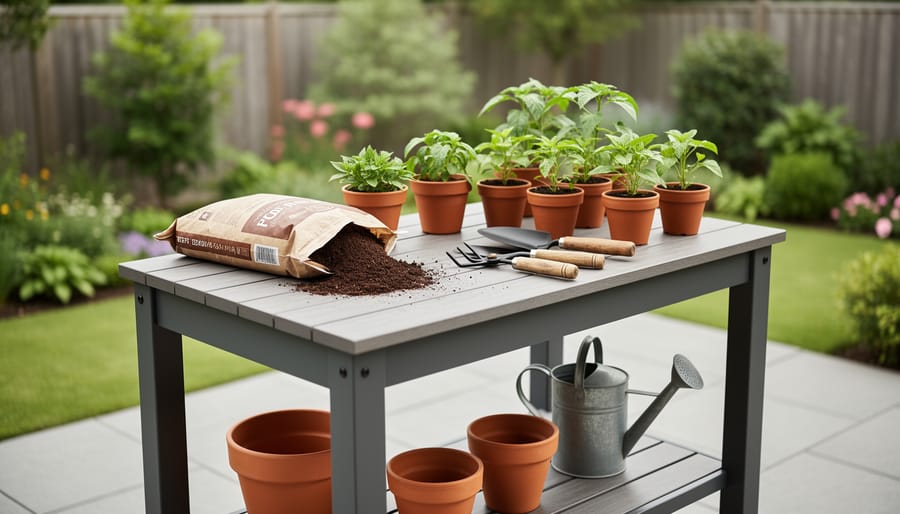
A gardening table is a dedicated work surface designed to bring potting, planting, and garden prep tasks to a comfortable standing height, transforming messy outdoor work into an organized, ergonomic experience. These specialized benches combine weatherproof materials with thoughtful features like built-in storage shelves, tool hooks, and soil-ready work surfaces that make container gardening and plant care dramatically easier on your back and your outdoor space.
Think of it as the kitchen island of your garden. Instead of hunching over patio pavers or commandeering your dining table for seed-starting chaos, a gardening table gives you a proper workspace where you can pot plants, mix soil, organize supplies, and tend seedlings without the usual dirt migration into your home. The best models use weather-resistant woods like solid Meranti hardwood with protective finishes or powder-coated metals that laugh in the face of rain, humidity, and UV rays.
What makes these tables particularly useful in 2026 is how they’ve evolved beyond basic potting benches into multifunctional outdoor stations. Gardeners are discovering they’re perfect for everything from propagating cuttings and organizing tools to serving as outdoor bar stations for summer gatherings (just hose off the soil first). They bridge the gap between serious gardening infrastructure and casual patio furniture, which explains why everyone from apartment balcony gardeners to backyard homesteaders is suddenly asking what they are and whether they need one.
The answer, if you’ve ever wrestled with bags of potting mix while kneeling on concrete, is probably yes. A good gardening table turns gardening from a floor-level scramble into an actual pleasure.
What Makes a Gardening Table Different from Your Kitchen Counter (And Why It Matters)
Your kitchen counter wasn’t designed to handle wet soil, fertilizer spills, or a pile of terracotta pots. That’s the first thing people realize when they try to pot plants indoors, only to find themselves scrubbing dirt out of grout lines while promising never again. Gardening tables are purpose-built for the mess and weather that come with actual gardening, which makes them worth having even if you’ve got perfectly good indoor surfaces.
The difference comes down to features that sound boring until you need them. A proper gardening table gives you:
- Weather-resistant materials that handle rain, sun, and temperature swings without warping or rotting
- Work surface height designed for standing tasks, reducing the back strain that comes from hunching over low tables
- Built-in tool storage with hooks, shelves, and compartments that keep pruners and trowels within reach
- Drainage capabilities through slatted tops or gaps that let water run off instead of pooling
- Durable construction that supports heavy pots, bags of soil, and the kind of use that would wreck indoor furniture
These aren’t luxury touches. They’re the reason you can leave a gardening table outside year-round while your kitchen counter stays safely indoors where it belongs. Models like the Furinno Tioman bench use solid Meranti hardwood with teak-oil finishes specifically because those materials laugh at moisture and UV exposure.
The height matters more than most people expect. Working at proper standing height means you’re not bent double trying to fill seed trays or transplant seedlings. Your lower back will thank you after an hour of potting, and you’ll actually want to spend more time out there instead of cutting sessions short because everything hurts.
There’s also the aesthetics angle. A dedicated gardening table looks intentional in your outdoor space, like you planned for it to be there. Dragging out a folding card table every time you need to work makes your patio look like you’re hosting the world’s saddest garage sale. Function and appearance both improve when you use furniture designed for the job.
The Real Benefits You’ll Actually Use (Not Just Marketing Hype)
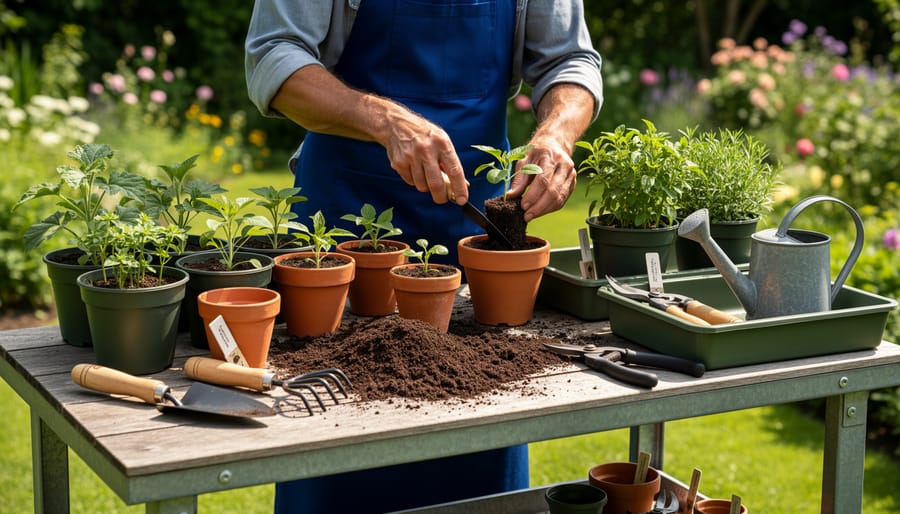
Let’s be honest: gardening without a proper workspace looks like a crime scene. Soil everywhere, tools vanishing into the grass, your back screaming at you while you’re hunched over a wobbly plastic chair trying to transplant seedlings. A gardening table changes that game completely, and the benefits go way beyond having somewhere to set your trowel.
Your back will thank you first. Working at a proper height, instead of bending over ground-level pots or kneeling on concrete, means you can actually pot plants without needing a chiropractor afterward. That comfortable 42-inch working height lets you stand upright while you work, which means longer sessions and less next-day regret.
Organization happens almost automatically when everything has a home. Shelves keep your fertilizer, pots, and seed packets in one spot instead of scattered across the garage. Hooks hold your pruners and gloves where you can actually find them. No more frantic searches for the plant labels you just had in your hand thirty seconds ago.
Your patio stays cleaner, too. All that potting mess, the spilled soil, the water drips, the bits of dead leaves, gets contained on the table instead of coating your deck furniture or spreading across the yard. You can brush debris into a bucket, hose down the surface, and you’re done.
The workflow improvement sneaks up on you. When everything’s within arm’s reach and organized, tasks that used to take twenty minutes collapse into five. You’re not running back and forth between shed and garden. You’re not stopping mid-transplant to hunt for scissors. You just… work.
Here’s the real kicker: you’ll garden more. When the setup’s easy and the process isn’t a pain, you actually do it. More herbs on the windowsill, more vegetables in containers, more flowers brightening the yard. That means less store-bought produce in plastic, fewer imported flowers with massive carbon footprints, and more oxygen-producing greenery right at home. Your gardening table becomes your launchpad for growing a genuinely greener space, and that’s marketing you can feel good about.
Materials That Actually Survive Outdoor Life
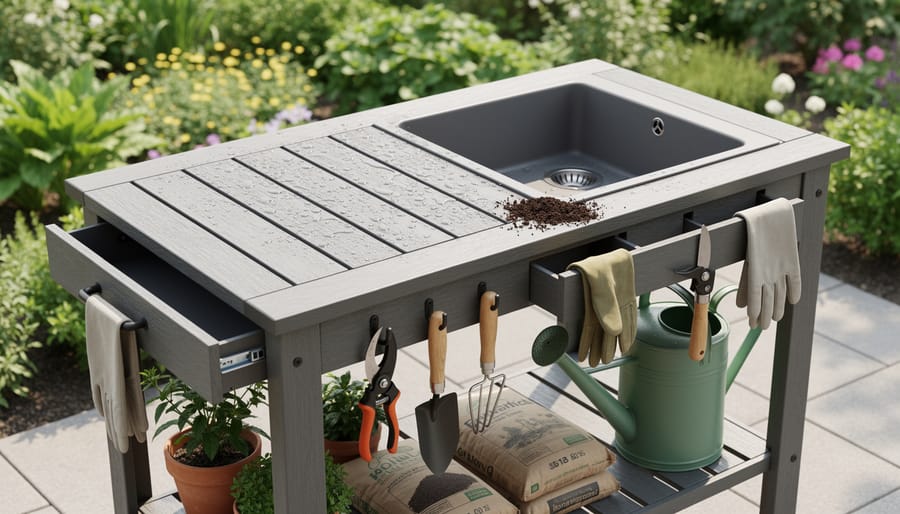
Your gardening table’s going to face everything nature throws at it, scorching sun, surprise rainstorms, winter freeze-thaw cycles. The right material means the difference between a surface that ages gracefully and one that warps into kindling by next spring.
Solid hardwoods remain the gold standard for outdoor furniture that genuinely lasts. The Furinno model’s use of Meranti hardwood with a protective teak-oil finish isn’t just marketing speak, this combination creates a natural barrier against moisture while letting the wood breathe. Meranti offers similar weather resistance to teak at a friendlier price point, and that oil finish needs reapplication maybe once a year if you want to maintain the rich colour. Let it go silver-grey if you prefer the weathered look; the structural integrity stays solid either way.
- Hardwood (Meranti, Cedar, Teak)
- Naturally weather-resistant with proper finishing; develops character over time but requires annual oil treatments to maintain colour. Heavier and more stable than composite alternatives.
- Metal Frames (Powder-Coated Steel, Aluminum)
- Exceptionally stable and rust-resistant when properly coated; aluminum won’t rust but dents easier, while steel offers more heft. Look for thick powder coating in high-humidity climates.
- Composite Materials
- Low-maintenance blend of wood fibers and plastic that resists rot and insects; lighter weight makes them easier to move but sometimes less stable in wind. No refinishing needed, ever.
Metal-frame tables with powder-coated finishes work brilliantly in dry climates and covered patios. They’re nearly indestructible if the coating stays intact, though any chips need touch-ups before rust creeps in. Aluminum frames stay lighter for folks who rearrange their spaces seasonally, while steel provides that rock-solid stability for serious potting work.
Composite options appeal to the set-it-and-forget-it crowd. You’ll sacrifice some of that natural aesthetic, but if reapplying oil finishes sounds like a chore you’ll never actually do, composites won’t punish your neglect. They handle moisture beautifully and laugh at insects, though prolonged direct sun can fade colours over a few seasons.
Match your material to your actual maintenance habits, not your aspirational ones. A hardwood table that goes untreated will suffer, but a composite that gets used daily will serve you well regardless of weather.
Size and Space: Finding Your Goldilocks Fit
Choosing the right gardening table feels a lot like Goldilocks testing beds, you need one that fits your space without overwhelming your patio or leaving you cramped.
Start by measuring where you’ll place it. A mid-range option like the Furinno model at 19.5 inches deep, 35.9 inches wide, and 42.7 inches high works well for most patios and gives you proper standing height without hunching. That footprint fits comfortably against a fence or wall while leaving walking space around it.
For apartment balconies or compact yards where you garden in small spaces look for narrower benches around 12-15 inches deep. They tuck against railings and still give you a working surface for seed starting or transplanting without eating your entire outdoor area. Corner placement works brilliantly here, you capture dead space while creating a functional potting zone.
If you’re working with a dedicated garden shed or larger yard, benches stretching 48-60 inches wide let you spread out multiple projects at once. You can pot, prune, and organize supplies without playing musical pots every time you need elbow room.
Think vertically when floor space is tight. Tables with built-in shelving underneath double your usable area, top surface for active work, lower shelves for storing pots, soil bags, and tools. This setup pairs perfectly with container gardening where you’re constantly shuffling plants around.
One clever trick: position your table near a water source and power outlet. You’ll thank yourself when you’re not hauling watering cans across the yard or running extension cords for grow lights during seed season.
What to Look for When Shopping (The Non-Negotiables and Nice-to-Haves)
Shopping for a gardening table means sorting through a lot of marketing fluff to find what actually matters for your setup. Start with stability, your table will bear wet soil bags, heavy ceramic pots, and the occasional elbow-lean when you’re tired. A wobbly frame is maddening on day one and dangerous by day thirty. Check weight capacity specs and reviews mentioning “sturdy” or “solid” rather than “lightweight.” Hardwood options like Meranti with protective finishes offer excellent durability, while metal frames should have reinforced corners and weather-resistant coatings.
Shelf space underneath is a non-negotiable for most gardeners. You’ll want room for bags of soil, empty pots, and watering cans, those items currently cluttering your garage or patio. Lower shelves beat bending over constantly, and they keep your workspace clear. Hooks for hand tools are a nice-to-have that quickly becomes essential; hanging trowels, pruners, and gloves within arm’s reach beats the “where did I put that?” hunt every time. If you’re working with limited space, explore outdoor storage ideas that maximize vertical organization.
Pros
- Built-in storage keeps tools and supplies organized and accessible within your workspace.
- Portable designs let you move your setup seasonally or reconfigure your garden layout.
- Premium materials like treated hardwood withstand years of weather exposure with minimal maintenance.
Cons
- Open designs without storage require separate organization solutions for tools and materials.
- Permanent installations limit flexibility if you change your garden arrangement.
- Budget-friendly options often require more frequent refinishing or replacement.
Warranty and return policies matter more than you’d expect. A 30-day return window gives you time to test whether the table fits your workflow, and free shipping can save you serious money on furniture-sized items. Look for retailers offering both, it signals they stand behind their products and won’t stick you with a clunky return process if the table doesn’t work out.
Match features to your actual habits, not fantasy-gardening ambitions. If you pot ten plants a year, a massive bench is overkill. If you propagate constantly, skimping on work surface area will frustrate you daily.
Where to Find Them (Without the Runaround)
You won’t need to trek between garden centers comparing dusty display models. Online retailers have made tracking down a quality potting bench surprisingly straightforward, with solid options at various price points.
carries a range of potting benches with free shipping and a 30-day return policy, which takes the pressure off making a snap decision. Their selection includes hardwood models like the Furinno Tioman bench (solid Meranti with teak-oil finish, running around $212 and up), along with metal and composite alternatives. The free shipping alone saves you the hassle of cramming an awkward frame into your hatchback.
Walmart Canada also lists potting tables in similar price ranges, typically starting around $213. Their online inventory changes seasonally, so checking back in early spring often reveals the best selection before peak gardening season hits.
What matters more than where you buy is matching the retailer’s policies to your comfort level. Free returns let you test stability and height in your actual space before committing. Competitive pricing across these platforms means you’re not overpaying, though shipping speeds vary, expect anywhere from a few days to two weeks depending on stock locations.
Skip the temptation to grab the cheapest unbranded option without reading reviews. A wobbly table that arrives damaged isn’t a bargain, even at half the price. Stick with retailers offering decent return windows and you’ll avoid that particular headache.
Creative Ways to Use Your Gardening Table Beyond Potting
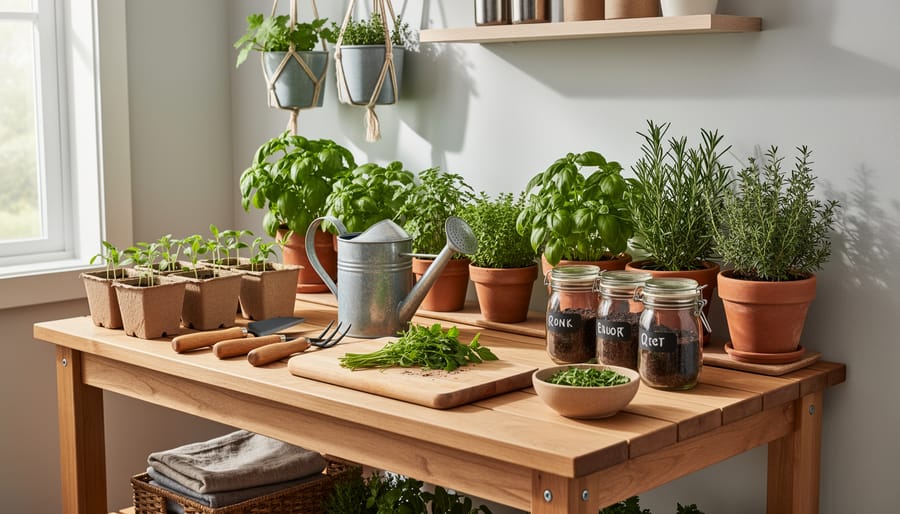
Your gardening table isn’t just a one-trick pony. Once you’ve got it set up, you’ll discover it becomes the Swiss Army knife of your outdoor space, ready to pivot from serious plant work to party mode faster than you can say “impromptu garden gathering.”
Turn yours into a seedling nursery by lining the lower shelf with trays of baby plants. The elevated surface keeps curious pets and slugs at bay while giving you easy access for watering and checking progress. It’s like a NICU for vegetables, minus the beeping monitors.
During harvest season, that same table transforms into an herb drying station. Hang bundles of lavender, rosemary, or basil from hooks along the back edge, or spread leaves across the work surface on mesh screens. If you’re just getting started with growing your own seasonings, check out our guide on herb gardening basics to choose which varieties dry best.
When friends come over, your potting bench moonlights as an outdoor bar. Clear the soil and tools, drape a washable tablecloth over it, and suddenly you’ve got a beverage station with built-in storage for glasses underneath. The weather-resistant surface laughs at spilled sangria.
Crafters love these tables for wreath-making and seasonal decorating projects. The sturdy work surface handles hot glue guns and wire cutters without flinching, while the shelves keep supplies organized. Pine cones here, ribbon spools there, and you’re basically running a festive assembly line.
Finally, use the top tier as a display platform for your prized container gardens, succulents, trailing ivy, or that bonsai you’re pretending to master. Arranging pots at eye level turns your table into living art while keeping specimens visible enough that you’ll actually remember to water them.
Gardening tables have earned their spot in backyards and balconies because they solve a real problem: the awkward, back-breaking shuffle between indoor counters, garage floors, and wobbly lawn chairs that every gardener knows too well. They’ve become essential for DIY enthusiasts who want their outdoor space to work as hard as they do, turning messy potting sessions into organized, enjoyable rituals.
Choosing the right one comes down to matching features to your actual habits. Consider the materials that’ll survive your climate, the size that fits your space without crowding it, and the features you’ll genuinely use rather than admire once and forget. Look for solid construction, adequate work surface, and thoughtful details like tool hooks and lower shelves that keep your supplies within reach.
The best part? A good gardening table doesn’t just hold your pots and soil. It becomes the creative hub where seedlings get their start, herbs get bundled for drying, and weekend projects come together. It’s the spot that makes you want to spend more time outside, growing things that matter.
Investing in the right surface for your gardening isn’t frivolous. It’s recognizing that the tools and spaces we use shape how much joy we find in the work. When everything has its place and your back doesn’t ache after an hour of transplanting, you plant more, experiment more, and ultimately grow more. That’s good for your garden, your mood, and the planet.
