Why Container Gardening Works When You Don’t Have Space (Or Time)
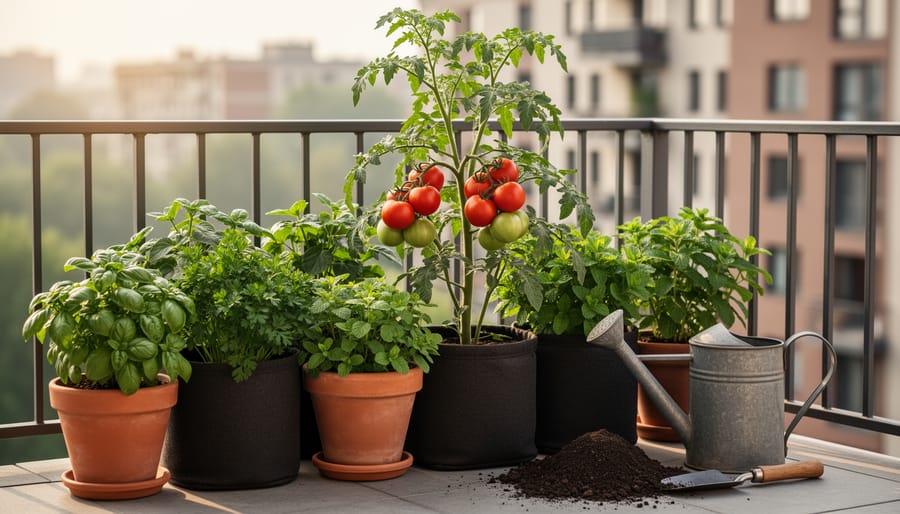
You don’t need a backyard to grow tomatoes, herbs, or even a cutting garden that would make your Instagram followers weep with envy. Container gardening turns any sunny spot into productive green space, whether that’s a balcony, patio, front steps, or even a fire escape (check your lease first). If you’ve been scrolling through gardening content wondering whether you should commit to raised bed vs containers here’s the truth: containers are your gateway drug to gardening greatness.
The beauty of container gardening lies in its flexibility. Mess up your soil? Dump it and start fresh. Plant getting too much sun? Scoot it into shade. Decide you hate petunias after all? Compost them without feeling guilty about the garden real estate they’re hogging. You’re essentially gardening with an undo button, which is more than you can say for most life decisions.
This spring and summer in 2026, community gardens and urban farming initiatives have exploded across cities, but you don’t need to wait for a plot assignment or navigate neighborhood politics. Your container garden can start this weekend with a trip to the garden center and about as much space as it takes to park a bicycle. We’re talking real food, actual flowers, and the kind of hands-in-the-dirt therapy that no meditation app can replicate.
The learning curve? Gentler than sourdough starter, less commitment than a houseplant collection, and infinitely more forgiving than your first attempt at composting.
The Container Revolution: Why Everyone’s Doing It in 2026
Walk through any neighborhood in 2026 and you’ll spot them: herb boxes on fire escapes, tomato plants thriving on balconies, colorful flower arrangements spilling from apartment stoops. Container gardening has exploded from niche hobby to mainstream movement, and it’s not hard to see why.
Urban living doesn’t leave much room for the white-picket-fence garden fantasy. More people than ever are squeezing their lives into condos, apartments, and townhomes where the closest thing to a yard is a 6×4 balcony. Container gardening offers something revolutionary: the chance to grow your own food, nurture living things, and create beauty without needing land you don’t own.
The environmental angle resonates too. Growing even a handful of herbs or vegetables in containers means fewer plastic clamshells from the grocery store, fewer food miles, and a tangible connection to where your meals come from. It’s small-scale sustainability that actually fits into real life, not some aspirational homesteading dream that requires acreage and a trust fund.
The grassroots enthusiasm is real. Just look at the Shelburne free workshop held on June 17, 2026, where space filled up fast for a simple two-hour session on growing plants in pots. People are hungry for this knowledge, craving the permission to start small and the confidence that they won’t kill everything immediately.
Container gardening works because it meets people where they are: short on space, time, and sometimes confidence, but long on the desire to get their hands dirty and watch something grow. That’s a combination too good to ignore.
Choosing Your Containers: More Than Just Pretty Pots
The Drainage Deal-Breaker
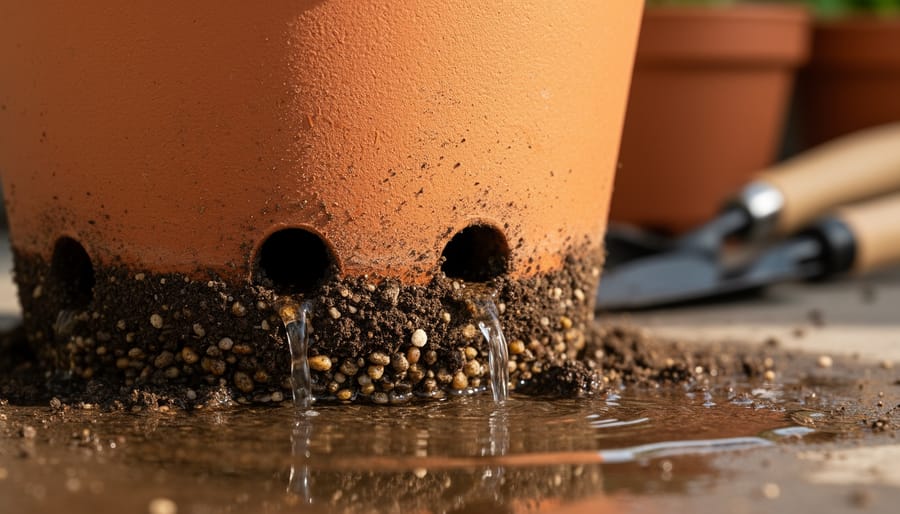
Here’s the reality: your plant will die without drainage. Not eventually, not maybe, it will drown in soggy soil, roots rotting while you wonder what went wrong.
Drainage is critical because excess water needs somewhere to go. Those cute vintage teacups and ceramic bowls you’re eyeing? They’re death traps unless you drill holes. A standard electric drill with a masonry bit handles ceramic and terracotta in seconds. Go slow, keep the surface wet, and drill from the inside out to prevent cracking.
For indoor containers where you can’t have water pooling on your floors, use the double-pot method: plant in a plastic nursery pot with drainage, then drop it inside your decorative container. Pull it out to water over the sink, let it drain completely, then return it to its pretty home.
Or create a false bottom using pebbles or gravel underneath a layer of landscape fabric, raising the soil above any standing water. It’s not as foolproof as actual holes, but it works when drilling isn’t an option and you’re willing to water more carefully.
Size Matters (But Not How You Think)
Here’s the cruel truth about container size: most beginners start too small, not too large. That adorable four-inch pot you grabbed at the garden center? Your tomato plant will outgrow it in three weeks and spend the rest of summer sulking.
Bigger containers hold more soil, which means more moisture retention, more nutrients, and more room for roots to stretch. A six-inch pot works for herbs like basil or cilantro, but vegetables and flowering annuals thrive in containers at least 12 inches deep. Tomatoes, peppers, and larger plants need 18 to 24 inches to really perform.
Think of it this way: plants can’t walk to the fridge when they’re thirsty. In a tiny pot, the soil dries out fast, and you’re stuck watering twice a day in summer heat. Larger containers forgive you for sleeping in or going away for the weekend.
Container size guidance from recent workshops confirms what experienced gardeners already know: when in doubt, go bigger. Your plants will thank you, and your watering schedule will stay manageable.
Soil Science Made Simple (We Promise)
Here’s the truth nobody tells you: the dirt in your backyard will kill your container plants. Not slowly, not maybe, it will actually suffocate them. Garden soil gets cement-hard in a pot, blocking air and water flow like a bouncer at an exclusive club your plant roots desperately want to enter.
Potting mix looks like soil, smells earthy, but it’s an entirely different beast. Quality potting mix is actually soil-free, built from ingredients like peat moss or coconut coir, perlite, and vermiculite. These lightweight materials create air pockets that let roots breathe while holding just enough moisture. Think of it as the difference between wearing a plastic bag and a breathable jacket, your plants need room to move.
When shopping for potting mix in 2026, skip anything labeled “potting soil” or “topsoil.” Look for bags that say “potting mix” or “container mix.” Check that the ingredients list includes perlite (those white bits that look like Styrofoam) for drainage and something organic like peat or coir for moisture retention. Avoid mixes that feel heavy and dense when you squeeze the bag.
Here’s where it gets fun for the DIY crowd. You can make your own potting mix with three simple parts: five parts peat moss or coconut coir, three parts compost, and two parts perlite or coarse sand. Mix it in a wheelbarrow or large tub, and you’ve got custom blend at half the cost. Add a handful of worm castings if you’re feeling fancy, your plants will thank you.
One critical note: never reuse old potting mix without refreshing it. After a growing season, it’s depleted and may harbor pests or diseases. Dump it into your compost bin or garden beds, then start fresh. Your containers deserve the good stuff, and honestly, so do you.
The Best Plants for Container Newbies
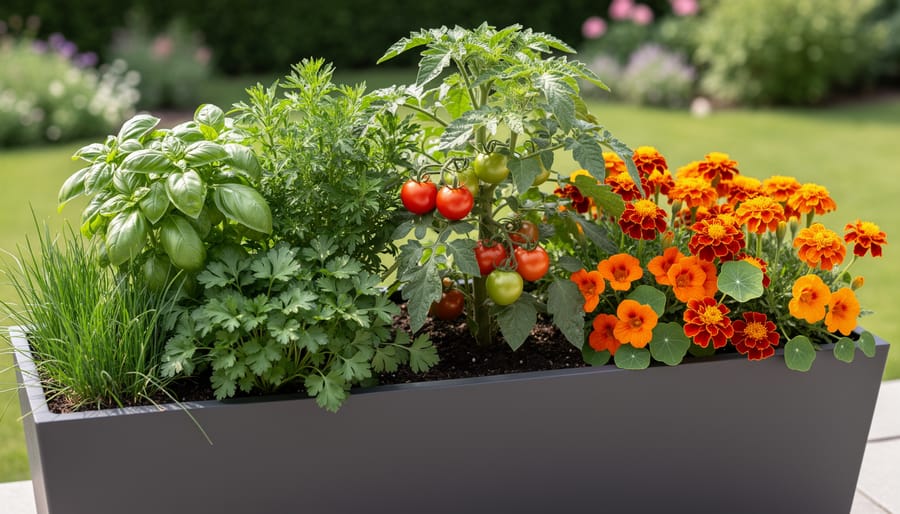
Herbs That Practically Grow Themselves
Start with basil. Put it in a sunny spot, water when the soil feels dry an inch down, and pinch off the tops every few weeks to keep it bushy instead of leggy. Basil practically begs you to make pesto, and it bounces back from aggressive harvesting like a champ.
Mint is the overachiever that takes over everything, which makes it *perfect* for containers, they keep it contained. Any variety works (spearmint, peppermint, chocolate mint), and it tolerates partial shade better than most herbs. Fair warning: it spreads like gossip, so give it its own pot unless you want a mint monoculture.
Parsley takes a bit longer to germinate if you’re starting from seed catalogs but once it’s up, it’s nearly indestructible. Flat-leaf has more flavor; curly looks prettier on a patio. Either way, it keeps producing if you harvest the outer leaves first.
Chives are the “set it and forget it” option. They need almost nothing, come back year after year, and those purple blooms in spring are edible and gorgeous.
Vegetables You Can Actually Harvest
Cherry tomatoes are the gateway drug of container vegetables, pop one ‘Tiny Tim’ or ‘Tumbling Tom’ variety in a five-gallon pot with a small tomato cage, and you’ll be harvesting sweet, sun-warmed tomatoes all summer. Lettuce and salad greens love shallow containers (six inches deep works) and grow so fast you’ll have your first salad in three to four weeks; try loose-leaf varieties like ‘Black Seeded Simpson’ that you can harvest a few leaves at a time without killing the plant. Peppers, especially compact types like ‘Lunchbox’ snack peppers or ornamental varieties that double as decor, thrive in containers and produce for months with minimal fuss. Radishes are the impatient gardener’s best friend, they go from seed to crunchy snack in 25 days, require almost no attention, and you can tuck them into any spare corner of a larger container. The secret to all these wins is choosing dwarf or patio-bred varieties specifically developed for small spaces, not trying to cram a full-size beefsteak tomato into a pot and wondering why it’s sulking.
Flowers That Forgive and Flourish
If you want color that lasts from spring through frost without babysitting, petunias are your new best friends. They bloom relentlessly in full sun, tolerate missed waterings better than you’d expect, and come in every shade from neon pink to deep purple. Marigolds are equally bulletproof, their cheerful orange and yellow blooms shrug off heat, pests hate them, and they’ll keep flowering even when you forget they exist for a week. Pansies shine in cooler months, offering smiling faces in containers when most plants sulk, and they’ll even survive light frosts. For guaranteed success, pick up geraniums (practically indestructible) or zinnias (fast growers that deliver big, bold blooms). Mix a couple of these together, water when the soil feels dry, and you’ll have a container that looks like you actually know what you’re doing.
The Care Routine That Takes 10 Minutes a Day
Watering Without Overthinking It
Forget the moisture meter and the watering schedule app. Stick your finger into the soil up to your second knuckle. Dry? Water it. Still damp? Leave it alone. That’s the entire secret.
Container plants in summer heat might need daily watering, while the same pots in cool spring weather could go three days between drinks. The top inch dries out fast, but what matters is that middle zone where the roots actually live. If your finger comes out with soil clinging to it, you’re good.
Overwatered plants look droopy and sad, which confuses people because underwatered plants also look droopy and sad. The difference? Overwatered soil stays wet, feels heavy, and eventually smells swampy. Leaves turn yellow and fall off. Underwatered containers feel light when you lift them, the soil pulls away from the edges, and leaves get crispy.
When fall arrives, dial back the watering. Cooler temps and shorter days mean slower growth and less evaporation. Your daily waterers become twice-weekly waterers. Pay attention to what the plant and weather tell you, not what the calendar says.
Feeding Your Container Garden
Container plants are hungrier than their in-ground cousins because every watering session flushes nutrients right out the drainage holes. There’s no deep soil reservoir to pull from, so you’re the delivery service.
Start with a balanced liquid fertilizer (look for equal numbers like 10-10-10 on the label) and feed every two weeks during the growing season. Cut that to monthly in fall and skip winter entirely when most plants rest. Water-soluble options mix into your watering can, making it ridiculously easy, no special equipment required.
Slow-release granules are the lazy gardener’s best friend. Sprinkle them on top of the soil once at planting time, and they’ll feed your plants for months. Perfect if you’re forgetful or just prefer less fuss.
Watch your plants: pale leaves or stunted growth usually mean they’re starving, while burned leaf tips suggest you overdid it. When in doubt, half-strength fertilizer is safer than full-blast. Your basil won’t judge you for being cautious.
Creative Container Combos and Design Ideas
This is where container gardening gets fun. You’re not just growing plants, you’re creating living art that changes with the seasons. And unlike small-space gardening in rigid grids, containers let you rearrange, experiment, and switch things up whenever inspiration strikes.
Start with the thriller-filler-spiller formula, which sounds like a crime show but actually describes the easiest way to design a knockout container. Your thriller is the tall, dramatic plant that catches attention (think purple fountain grass or a spiky dracaena). Fillers are the midsize workhorses that bulk up the arrangement (geraniums, petunias, or coleus work beautifully). Spillers cascade over the edges, softening the whole look with trailing sweet potato vine, ivy, or lobelia. One of each in a 16-inch pot creates instant curb appeal.
Color-wise, you can’t really mess this up. Stick with analogous colors (neighbors on the color wheel, like purple, blue, and pink) for a harmonious vibe, or go bold with complementary opposites (yellow and purple, orange and blue) for eye-popping contrast. Monochromatic containers in shades of one color look surprisingly sophisticated.
Companion planting works in containers, too. Pair tomatoes with basil for pest protection and future caprese salads. Marigolds repel aphids while adding cheerful orange pops. Nasturtiums attract beneficial insects and taste peppery in salads, bonus points for edible flowers.
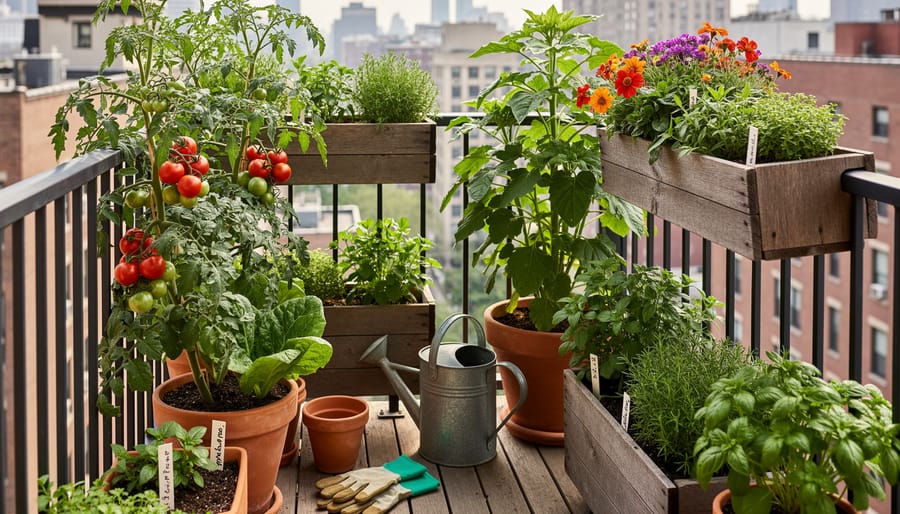
For DIY flair, drill drainage holes in vintage colanders, galvanized buckets, or wooden crates. Paint terracotta pots in patterns that match your patio furniture. Stack graduated sizes for vertical interest. An old wheelbarrow becomes a charming mobile herb garden. Your container choices can reflect your personality as much as what you plant inside them, and that creative freedom is half the joy.
Troubleshooting the Top 5 Beginner Mistakes
Every container gardener has killed a plant or two. It’s practically a rite of passage, like burning your first batch of cookies or accidentally dyeing all your whites pink. The difference is that plants don’t judge you for it, and the lessons stick better when you’ve watched a tomato plant slowly stage its dramatic exit from this world.
The most common rookie error? Stuffing containers like you’re packing for a trip you’re convinced will require seven outfit changes. That “thriller, filler, spiller” formula sounds great until you’ve crammed in two thrillers, four fillers, and three spillers into a 12-inch pot. Plants need room for their roots to spread and air to circulate. When everything’s fighting for space, you end up with stunted growth, disease, and a sad tangle of stems that can’t even figure out which way is up. Start with fewer plants than you think you need. If tomatoes or peppers start flopping, you can always add support stakes later, but you can’t un-crowd a root system.
Location mistakes run a close second. Shade-loving hostas baking on a south-facing balcony, sun-worshipping tomatoes sulking in the shadow of your building, it’s like sending an introvert to a rave or dragging a party animal to a silent meditation retreat. Read the plant tags, observe your space for a few days to track sun patterns, and match plants to reality, not wishful thinking.
Why do my container plants keep dying even though I water them?
You’re likely either overwatering or your containers lack drainage holes, causing root rot. Check that water flows freely through the bottom and let the top inch of soil dry between waterings.
Can I use regular garden soil in containers?
No, garden soil compacts in containers and suffocates roots. Always use potting mix, which is lighter and designed for container drainage and aeration.
How many plants can I fit in one container?
Fewer than you think. As a rule, allow 6-12 inches between plants depending on their mature size, and don’t crowd the edges.
Inconsistent watering turns container gardening into a suspense thriller nobody asked for. Miss a few hot days and your plants wilt dramatically. Overcompensate with daily drenching and the roots drown. The fix is simple: check soil moisture daily with your finger, water thoroughly when the top inch feels dry, and adjust based on weather and plant needs rather than sticking to an arbitrary schedule.
Finally, ambitious plant choices doom more beginners than anything else. You can’t grow a full-sized pumpkin vine in a 10-inch pot, no matter how much you believe in it. Start with plants known for container success, save the exotic experiments for year two, and remember that gardening skills build like any other craft. Your mistakes aren’t failures, they’re data points.
You’ve got everything you need to start growing: a few containers, some decent potting mix, and plants that want to succeed as much as you do. The beauty of container gardening is that it scales to your life. One pot of basil on a fire escape is a garden. Three mismatched containers on a balcony, bursting with tomatoes and marigolds, is a garden. You don’t need land, a green thumb, or even a particularly impressive track record with houseplants.
What you do need is permission to experiment, mess up, and try again. That wilted basil? Learning experience. The pepper plant that outgrew its pot? Upgrade time. Every mistake teaches you something useful, and every tiny harvest feels like a victory lap.
Container gardening is accessible, creative, and genuinely good for the planet. You’re growing food, supporting pollinators, and reducing your environmental footprint while making your space more beautiful. If you want to dive deeper or share your new obsession, consider beginner gardening gifts for friends who need that gentle nudge.
Start small, celebrate what grows, and remember: you’re already a gardener.
