12 Indoor Gardening Supplies to Grow a Thriving Year-Round Garden
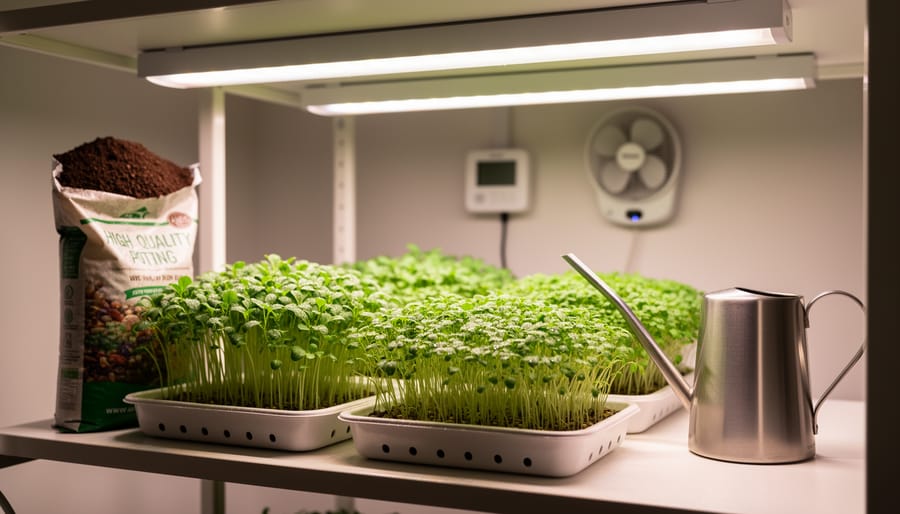
Starting an indoor garden requires six essential supply categories: grow lights, containers with drainage, quality potting mix, watering tools, fertilizer, and environmental controls like fans or humidity monitors. These fundamentals work together to replicate outdoor conditions inside your home, letting you grow everything from salad greens to succulents year-round, no matter your climate or square footage.
The indoor gardening market has exploded beyond basic pots and soil. In 2026, you’ll find hydroponic systems from brands like Modern Sprout and AeroGarden that eliminate soil entirely, smart gardens from Click & Grow that automate light cycles and nutrient delivery, and specialty retailers like Kiokii expanding rapidly with 30 new stores opening across North America this year. The shift toward tech-integrated systems has made indoor growing more accessible for beginners while offering seasoned gardeners sophisticated control over their plant environments.
Whether you’re converting a spare closet into a microgreens station or claiming a sunny corner for herbs, the right supplies transform good intentions into thriving greenery. This guide breaks down what you actually need, why each category matters, and how to choose products that match your space, budget, and ambition level. We’ll cut through the marketing hype to focus on supplies that deliver real results, with practical insight on balancing DIY charm with modern convenience.
How We Chose These Indoor Gardening Essentials
We evaluated hundreds of indoor gardening products to narrow this list down to twelve essentials that actually deliver results. Our selection criteria focused on versatility, each item had to serve both newcomers planting their first basil and experienced growers tending rare tropicals. We prioritized eco-conscious design, choosing products with minimal environmental impact, energy-efficient operation, and sustainable materials wherever possible. Ease of use mattered just as much: the best supplies shouldn’t require an engineering degree or constant babysitting.
Integration with modern living spaces sealed the deal, these supplies fit seamlessly into apartments, kitchens, and home offices without turning your space into a cluttered greenhouse. We tested for quality construction, reasonable price points, and real-world performance across different growing conditions. The goal? Make indoor gardening accessible and genuinely fun, not intimidating or overly technical. Whether you’re growing fresh herbs in a studio apartment or cultivating an entire indoor jungle, these essentials handle the hard work so you can enjoy the green therapy.
1. Hydroponic Kits for Soil-Free Growing
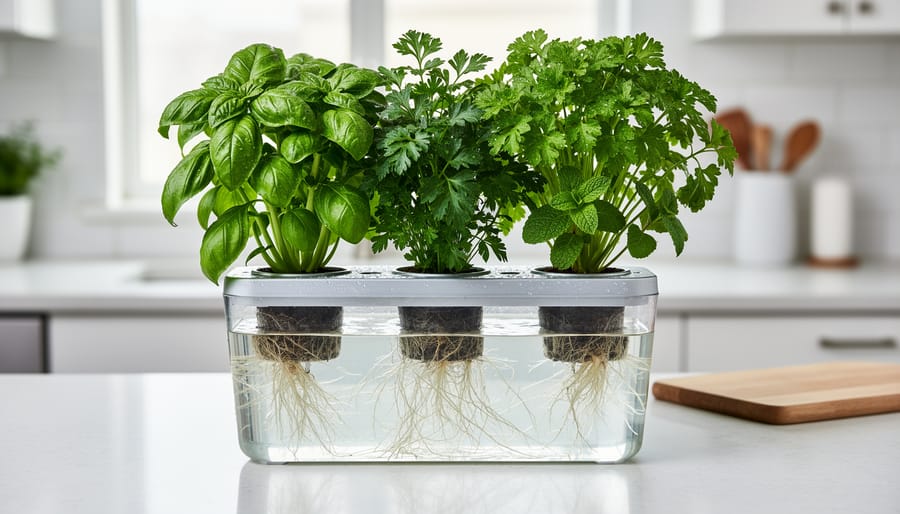
Hydroponic kits have revolutionized indoor growing by ditching soil entirely in favor of water-based nutrient systems. If you’ve ever avoided indoor gardening because of the mess factor, these setups change everything. No dirt to spill on your countertops, no worrying about fungus gnats breeding in damp potting mix, just clean, efficient growing that often produces faster results than traditional methods.
AeroGarden has essentially democratized hydroponics for the masses. Their systems are self-contained units that grow lush plants year-round with no outdoor space required, making fresh herbs and greens possible even in studio apartments or windowless kitchens. Modern Sprout offers similarly approachable hydroponic kits designed with aesthetic appeal in mind, so they actually look good sitting on your kitchen counter rather than screaming “science experiment.”
The real advantage is control. These systems deliver precise amounts of water and nutrients directly to plant roots, which translates to growth rates that can embarrass your outdoor garden. Basil that takes weeks in soil might be harvest-ready in days. Lettuces grow dense and productive without battling garden pests.
Most beginner-friendly kits include everything: the reservoir, pump, growing pods, seeds, and nutrients. You basically add water, plug it in, and watch things grow. The learning curve is surprisingly gentle, making hydroponics no longer the domain of serious hobbyists with basement grow rooms. For anyone wanting maximum results with minimal fuss and zero dirt under their fingernails, hydroponic kits deliver.
2. Smart Indoor Gardens with App Control
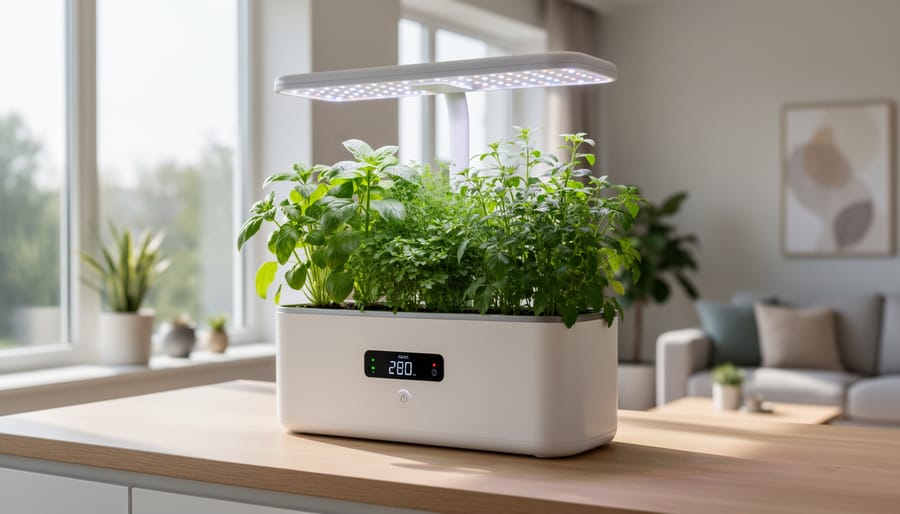
Smart indoor gardens from companies like Click & Grow have turned anyone into a green thumb, whether you actually possess gardening skills or not. These sleek countertop systems automate the entire growing process through app-controlled technology that manages watering schedules, LED light cycles, and nutrient delivery without you lifting a finger. Perfect for tech enthusiasts who love gadgets as much as fresh herbs, or frequent travelers who’d otherwise return home to crispy plant corpses.
The beauty lies in how foolproof they’ve become. You fill the water reservoir maybe once every few weeks, pop in pre-seeded pods, and let the system handle the science while you enjoy watching basil, lettuce, or cherry tomatoes flourish on your kitchen counter. The app sends reminders when water runs low and tracks growth progress, making it nearly impossible to kill your plants through neglect.
For apartment dwellers or anyone wondering why container gardening works in small spaces, smart gardens maximize vertical growing in minimal square footage. They’re essentially self-sufficient plant nurseries that fit beside your coffee maker, delivering fresh greens year-round regardless of whether it’s snowing outside or you forgot to check on them for two weeks. The convenience factor makes indoor growing accessible to people who’ve never successfully kept anything alive before.
3. Full-Spectrum LED Grow Lights
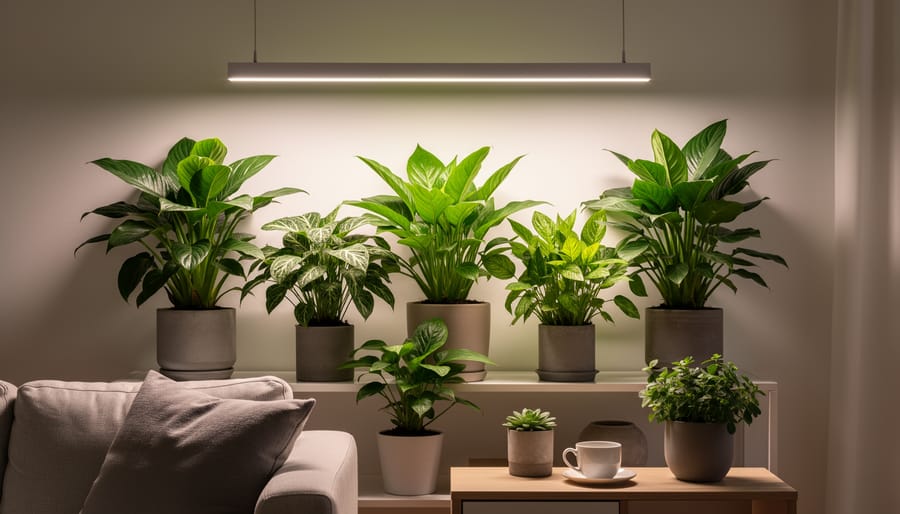
Without adequate light, even the hardiest houseplants struggle indoors. Full-spectrum LED grow lights solve this by mimicking the wavelengths plants need for photosynthesis, making year-round growing possible in basements, bathrooms, or any dim corner of your home.
These lights deliver the blue and red spectrums plants crave without the heat or energy waste of old-school fluorescent bulbs. Modern Sprout designs sleek, energy-efficient grow lights that blend into your decor rather than screaming “science lab.” Their fixtures work beautifully over kitchen counters or bookshelves, bathing your greens in that gentle purple-pink glow without turning your living room into a grow-op aesthetic.
LED technology means you’ll spend pennies on electricity compared to traditional options, and the bulbs last for years. If you’re diving into herb gardening basics a quality grow light is non-negotiable, basil and cilantro won’t thrive on winter windowsill light alone, but they’ll flourish under dedicated LEDs.
Position lights 6-12 inches above foliage and run them for 12-16 hours daily using a timer. Your plants won’t know they’re not basking in summer sun, and you won’t need to rearrange furniture chasing daylight throughout the seasons.
4. Self-Watering Planters and Pots
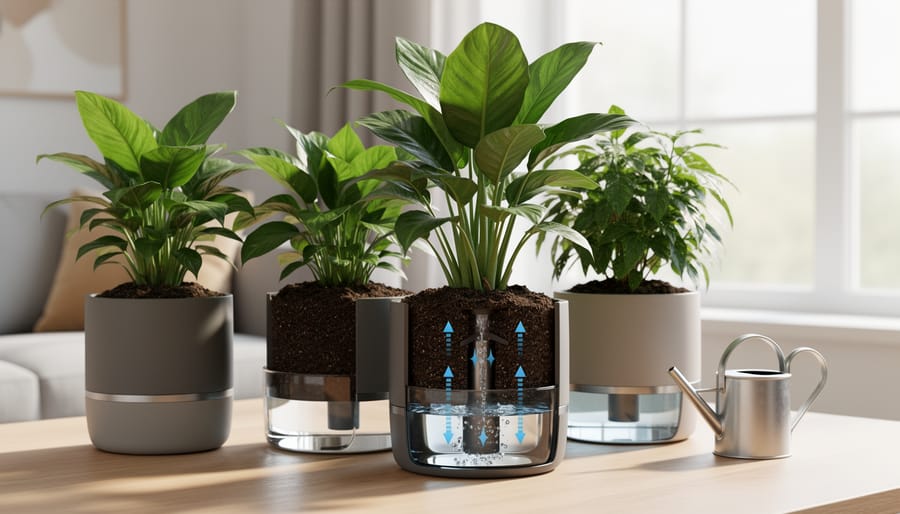
Self-watering planters take the anxiety out of keeping plants properly hydrated. These clever containers feature built-in reservoirs that reduce moisture guesswork by drawing water upward through capillary action, plants drink exactly what they need, when they need it. You’ll water less often (sometimes just once a week) while eliminating the soggy soil disasters that plague traditional pots.
The design varies from simple wicking systems to sophisticated double-wall planters with water-level indicators. Some include fill tubes so you never disturb the soil surface. They’re perfect for herbs, succulents, and foliage plants that prefer consistent moisture without waterlogged roots.
Forgetful gardeners love the freedom these containers provide during busy weeks or short trips. No more returning to crispy brown leaves or emergency rescue missions. The plants regulate their own drinking schedule while you handle life.
Modern self-watering pots have evolved far beyond utilitarian plastic buckets. Today’s options come in sleek ceramics, minimalist concrete finishes, and powder-coated metals that complement contemporary decor. They blend function with style, sitting proudly on desks and windowsills rather than hidden away. Your plants stay healthy while your space looks intentionally designed.
5. Complete Indoor Gardening Starter Kits
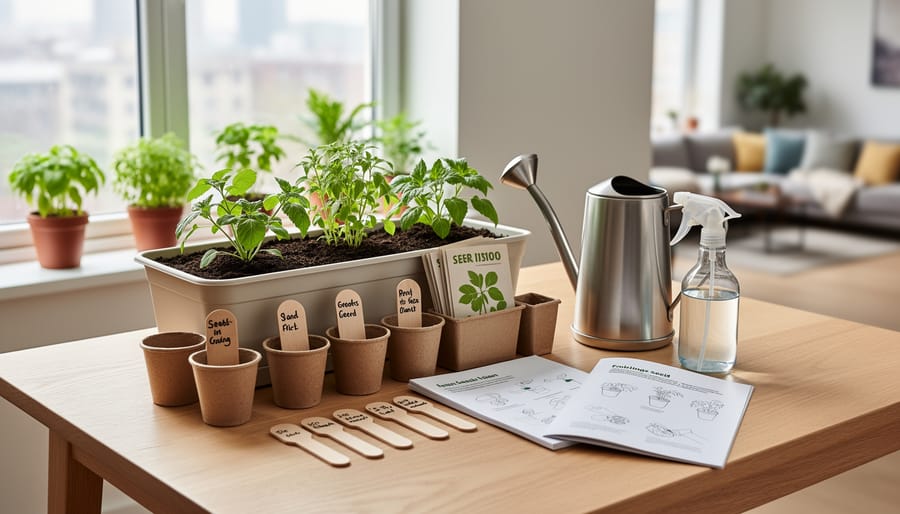
Starting an indoor garden from scratch can feel overwhelming when you’re staring at empty countertops and wondering what you actually need. That’s where complete starter kits swoop in to save the day, they bundle everything in one box so you can skip the guesswork and get growing immediately.
These all-in-one packages typically include containers, seeds or pods, growing medium, and detailed instructions that walk you through setup and care. Click & Grow’s indoor gardening kits, for example, take the stress out of your first harvest by automating most of the process with pre-seeded pods and timed lighting. You literally plug it in, add water, and watch herbs or greens sprout within days.
Starter kits make fantastic gifts for curious friends who’ve never grown anything indoors but keep saying they want to try. They’re also perfect if you’re testing the waters before committing to a full hydroponic system or multi-tier setup. Modern Sprout offers beginner-friendly options that strike a balance between simplicity and style, fitting seamlessly on kitchen counters without looking like science experiments.
The best part? You’ll harvest real basil or lettuce within weeks, which builds confidence faster than buying supplies piecemeal and hoping you didn’t forget something crucial. Start simple, taste success, then expand your collection as your green thumb grows.
6. Quality Potting Mixes and Growing Media
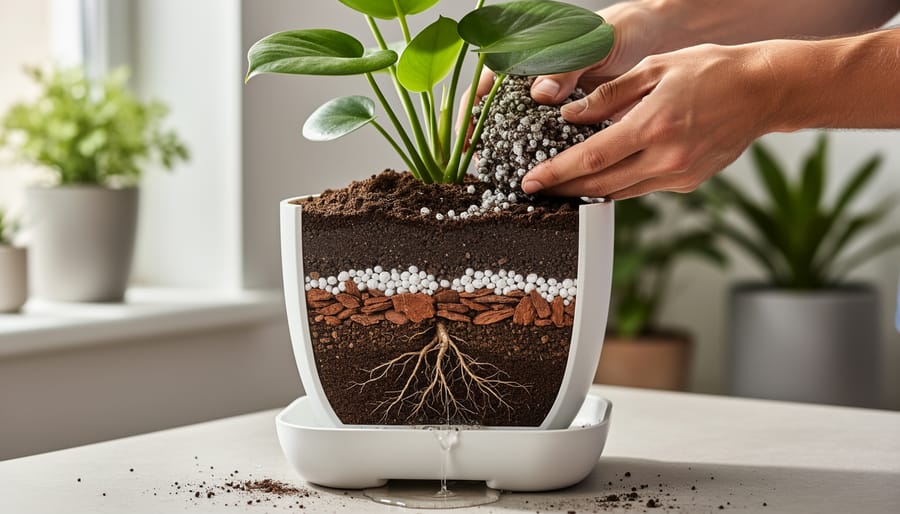
The humble bag of dirt matters more than most beginners realize. Generic garden soil from your yard will compact in containers, suffocate roots, and invite fungus gnats to throw a party in your living room. Indoor plants need specialized potting mixes engineered for container life, light, fluffy blends that drain quickly yet retain enough moisture to keep roots happy between waterings.
Quality mixes typically combine peat moss or coco coir (a sustainable coconut fiber alternative) with perlite or vermiculite for aeration. Coco coir has surged in popularity because it’s renewable, resists pests naturally, and rehydrates beautifully if it dries out. Perlite, those white volcanic rocks you see floating in potting soil, creates air pockets that prevent the dreaded root rot.
For herbs and vegetables, look for blends labeled for edibles with added nutrients. Succulents and cacti demand grittier, fast-draining formulas. If you garden in small spaces bagged mixes eliminate the mess of mixing your own while giving plants the foundation they desperately need to thrive indoors year-round.
7. Humidity Monitors and Misters
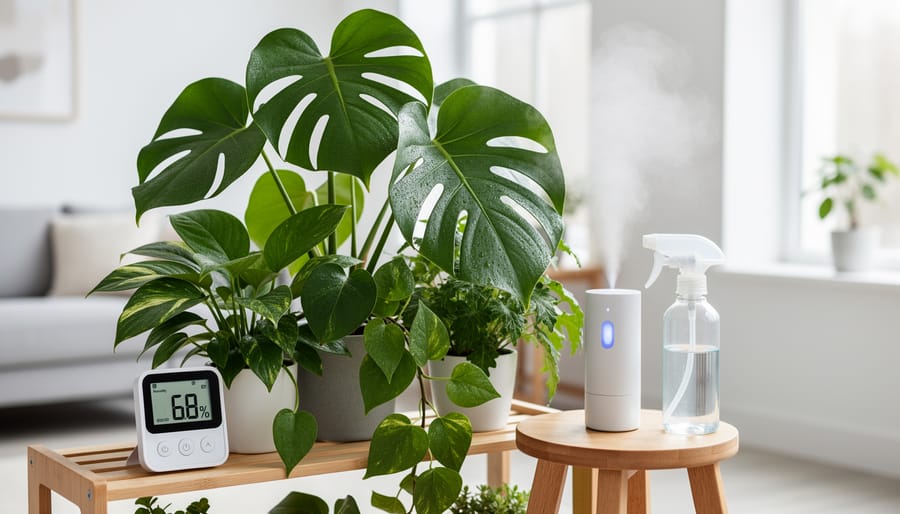
Indoor air, especially during winter heating months, turns into a moisture-sucking desert that tropical plants and delicate herbs absolutely hate. Most homes hover around 30-40% humidity, while your ferns, orchids, and basil prefer 50-60% or higher. Without tools to monitor and adjust, you’re basically asking your philodendron to thrive in the Sahara.
A digital hygrometer takes the guesswork out of moisture management. These compact gadgets display current humidity levels at a glance, often with temperature readings too. Place one near your plant collection to know exactly when intervention is needed, rather than discovering crispy leaf edges after the damage is done. Models with memory functions track fluctuations throughout the day, revealing patterns like how much your furnace dries things out overnight.
Ultrasonic misters solve the dry-air problem by releasing a fine, cool fog that raises humidity without soaking furniture or creating condensation puddles. Unlike boiling-water humidifiers that heat your space, ultrasonic versions stay energy-efficient and safe around curious pets. Position one near your plant shelf and run it for a few hours daily, you’ll see happier foliage without transforming your living room into a tropical swamp. Many units hold enough water for 8-12 hours of runtime, perfect for overnight or while you’re at work.
The combo approach works best: measure with the hygrometer, adjust with the mister, and watch your indoor jungle flourish even when winter rages outside.
8. Compact Greenhouse Shelving Units
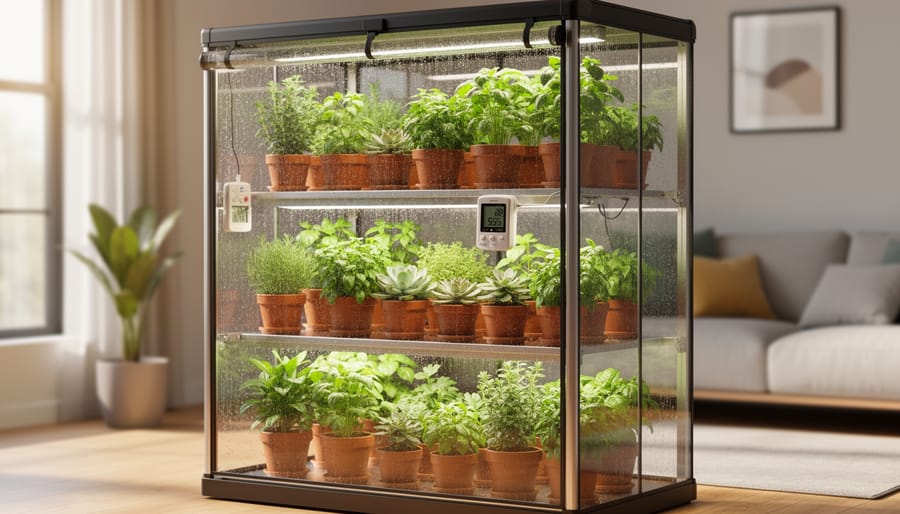
Living in a small apartment doesn’t mean sacrificing your indoor garden dreams, compact greenhouse shelving units transform vertical space into productive growing real estate. These multi-tiered systems combine sturdy metal frames with transparent PVC or zippered covers that trap warmth and humidity around your plants, essentially creating several mini greenhouses stacked in the footprint of a single shelf.
Most units feature three to five tiers with adjustable shelves, letting you accommodate seedlings on top levels while giving taller herbs and vegetables room below. The removable covers maintain consistent moisture levels and protect delicate starts from drafts, dry air, or curious pets. When your plants outgrow the sheltered environment, just unzip the cover and keep using the frame as regular shelving.
These space-maximizers shine in dedicated plant corners where you can control the microclimate, or beside bright windows where they amplify natural light with their reflective interiors. They’re also brilliant for starting seeds in late winter when your windowsills are already crowded. You’ll maximize every square foot of floor space while keeping dozens of plants organized instead of scattered across every available surface.
The best part? When you’re not actively propagating or hardening off tender plants, the covers roll up and the frames serve as attractive display stands for your thriving collection.
9. Propagation Stations and Rooting Tools
Propagating your own plants is gardening’s version of getting free money, except the payoff is adorable baby plants instead of cash. A simple propagation station transforms a single purchased plant into dozens of new starts, making it the ultimate budget-friendly approach to expanding your indoor jungle. All you need are a few clear glass vessels (recycled jars work brilliantly), some rooting hormone powder, and optionally a humidity dome for trickier cuttings.
Clear propagation vases let you watch roots develop in real-time, turning the waiting period into an educational spectacle. Place cuttings from pothos, philodendron, or herbs in water near a window, and within weeks you’ll see white roots emerging. Rooting hormone accelerates the process and improves success rates, especially for woody stems that root reluctantly on their own.
For more challenging plants, small humidity domes create the moist microclimate needed for successful rooting without rot. These plastic covers trap moisture around cuttings while allowing air circulation, perfect for fiddle leaf figs or succulents. Once your propagated plants develop strong roots, transplant them into quality potting mix and fertilize year-round to encourage vigorous growth. The DIY satisfaction of growing your entire collection from cuttings never gets old.
10. Timer-Controlled Outlet Strips
Timer-controlled outlet strips might not be glamorous, but they’re the difference between thriving plants and the “oops, I forgot to turn the lights on this week” disaster. These programmable outlets automate your grow light schedules and ventilation fans, ensuring your plants receive consistent care even when life gets hectic or your brain decides that remembering one more daily task is simply too much to ask.
Consistency matters more than most people realize in indoor gardening. Plants thrive on predictable light cycles, most need 12-16 hours daily, and sporadic attention stresses them out. A basic timer outlet strip runs around $15-30 and eliminates human error completely. Set it once, and your lights click on and off at the exact same times every day, mimicking natural sunrise and sunset patterns that trigger healthy growth.
The best strips offer multiple independently controlled outlets, letting you stagger schedules for lights, fans, and even automated watering pumps. This becomes especially useful when coordinating with container plant feeding routines that benefit from consistent timing. Look for models with battery backup so your schedules survive power outages, and grounded three-prong outlets that safely handle higher-wattage LED grow lights. Your plants won’t judge your forgetfulness anymore, the timer’s got this.
11. Organic Indoor Fertilizers and Nutrients
Indoor plants grown in containers have different nutritional needs than their outdoor counterparts. Roots confined to pots can’t seek nutrients from surrounding soil, making regular feeding essential, but harsh chemical fertilizers can burn delicate root systems and leave residues you definitely don’t want on herbs you plan to eat.
Organic liquid fertilizers offer the gentlest option for container growing. These concentrated formulas dilute in water for easy application during regular watering sessions. Look for products derived from fish emulsion, seaweed extract, or composted plant matter. They release nutrients gradually and improve soil structure over time. The mild formulations make overfeeding nearly impossible, perfect if you’re still learning plant appetites.
Slow-release organic granules provide another approach for low-maintenance feeding. Scattered on soil surfaces or mixed into potting mix, these pellets break down slowly with each watering, providing steady nutrition for weeks. Options like worm castings or pelleted chicken manure won’t burn roots even in generous amounts.
For the environmentally conscious, choosing OMRI-listed (Organic Materials Review Institute) fertilizers ensures products meet strict organic standards without synthetic additives. Many brands now package concentrates in recyclable containers, reducing plastic waste.
Your edible herbs and greens deserve clean nutrition. Organic options keep your indoor garden thriving while aligning with sustainable living values, no lab-created chemicals required.
12. Plant Care Tool Sets
You don’t need a shed full of equipment to maintain a thriving indoor garden, but the right compact tools make daily care feel less like work and more like a creative ritual. A basic plant care tool set designed for indoor use includes miniature pruning shears (perfect for snipping herbs or deadheading flowers without damaging neighboring stems), a soil moisture meter that takes the guesswork out of watering, a fine-mist spray bottle for humidity-loving plants, and a soft-bristled brush for dusting leaves.
The beauty of these tools is their scale. Unlike heavy outdoor spades or full-size loppers, indoor versions fit in a kitchen drawer and won’t intimidate beginners. Look for sets with ergonomic grips and stainless steel components that resist rust in humid environments. Many gardeners find that owning dedicated tools elevates the experience from haphazard maintenance to mindful plant care, turning a quick check-in into a calming routine.
Small details matter too. A moisture meter prevents overwatering (the number one killer of houseplants), while gentle leaf brushing removes dust that blocks photosynthesis and makes your plants look healthier. These aren’t just practical investments; they’re part of the joy and craft of indoor gardening, transforming everyday tasks into satisfying moments of connection with your green space.
Where to Find These Indoor Gardening Supplies in 2026
Finding quality indoor gardening supplies has never been easier, thanks to expanding specialty retailers and robust online options. Whether you prefer browsing in person or shopping from your couch, you’ll find everything from hydroponic systems to organic fertilizers readily available.
Kiokii.official is making major waves in 2026, opening 30 new stores across Canada and the USA to add to their existing 22 Canadian locations. This expansion brings hands-on shopping experiences to more communities, letting you touch and compare products before buying. Better yet, their online store offers free shipping on orders of $75 or more, making it easy to stock up on multiple supplies in one go.
Your shopping options span several channels:
- Specialty retailers like Kiokii.official with expanding physical locations and online stores
- Direct-from-manufacturer sites including Modern Sprout, Click & Grow, and AeroGarden for the latest smart garden technology
- Established garden centers such as Tagawa Gardens offering comprehensive selections of plants, trees, and traditional gardening supplies
- Online marketplaces with user reviews and competitive pricing for comparison shopping
Local garden centers remain excellent resources for personalized advice and seasonal plants. Many now carry the same modern hydroponic kits and smart gardens you’ll find online, with staff who can answer questions on the spot. Combining in-store visits for immediate needs with online ordering for bulk purchases gives you the best of both worlds while keeping your indoor garden thriving year-round.
Growing Your Indoor Garden with Confidence
With the supplies covered in this guide, you’re fully equipped to cultivate a thriving indoor garden no matter where you live or what season it is. The beauty of indoor gardening lies in its accessibility, a single self-watering planter on your kitchen counter counts as much as a full hydroponic system in a spare room. Start small, pick one or two products that excite you, and let your space evolve naturally as you discover what works.
Beyond the greens and herbs you’ll harvest, indoor gardening delivers genuine mental health benefits, the ritual of caring for plants reduces stress, improves air quality, and connects you to natural cycles even in urban environments. Experiment creatively with your setup, mix practical growing with decorative touches, and don’t stress over occasional failures. Every brown leaf teaches you something.
At Simply Gardening, we believe that growing things should spark joy and inspire eco-conscious choices. Your indoor garden is a living testament to both, transforming everyday spaces into productive, beautiful sanctuaries. Grab your supplies, get your hands dirty (or hydroponic and clean), and watch what grows.
Common Questions About Indoor Gardening Supplies
What’s the difference between hydroponic kits and traditional pots?
Hydroponic systems like those from Modern Sprout and AeroGarden grow plants in nutrient-rich water instead of soil, eliminating mess while often producing faster growth. Traditional pots use potting mix and require more hands-on watering management, but they’re typically less expensive upfront and work well for a wider variety of plants.
Do I really need special grow lights or will a window work?
Windows can work for low-light tolerant plants near south-facing exposures, but most edibles and flowering plants need consistent, full-spectrum light that windows rarely provide year-round. Quality LED grow lights from brands like Modern Sprout deliver the intensity and spectrum plants need, especially during winter months or in rooms without good natural light.
How much should I budget for starting an indoor garden?
You can start with basic supplies for under $50 if you go with simple pots, a bag of quality potting mix, and seeds for a sunny windowsill. Mid-range setups with grow lights and self-watering planters typically run $100-200, while automated smart gardens from Click & Grow or full hydroponic systems start around $150-300 depending on capacity.
Are smart gardens worth the investment for beginners?
Smart Indoor Gardens are fantastic for beginners who want guaranteed success without learning complicated care routines, since they automate watering, lighting, and nutrients. However, if you enjoy the hands-on learning process and want flexibility to grow unusual plants, traditional supplies offer more creative control at a lower price point.
These questions pop up constantly in gardening forums, and the answers really depend on your lifestyle and goals. If you’re the forgetful type or travel frequently, investing in automation makes sense from day one. But if you get satisfaction from nurturing plants yourself and troubleshooting along the way, simpler supplies let you develop real skills. Either path works, and many indoor gardeners end up with a mix of both, automated systems for herbs they use daily, traditional pots for experimental projects. The key is starting with whatever setup removes the biggest obstacle between you and actually growing something, whether that’s time, space, or knowledge.
