
10 Best Garden Seed Catalogs for 2026, Ranked
The best garden seed catalogs for 2026 combine heirloom variety, organic certification, and regional expertise to transform your growing season from guesswork into a targeted plan. Baker Creek Heirloom Seeds leads for sheer artistry and rare varieties, Johnny’s Selected Seeds delivers professional-grade stock with impeccable germination rates, and Seed Savers Exchange champions biodiversity through heritage preservation. These ten catalogs aren’t just shopping lists. They’re your blueprint for flavor, resilience, and garden success tailored to everything from desert microclimates to Pacific Northwest drizzle.
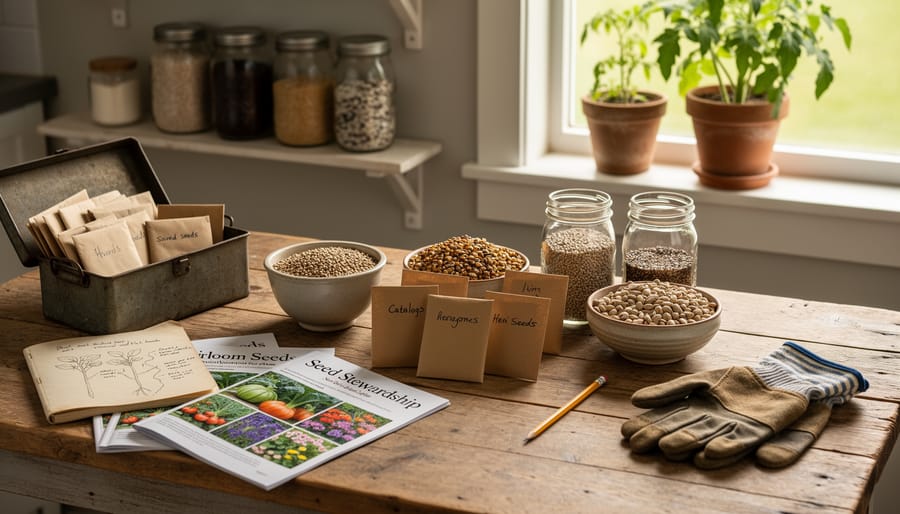
Scrolling through seed catalog pages in late autumn is part ritual, part creative brainstorming session. You’re not buying packets; you’re sketching next year’s garden plot with tomatoes that taste like summer concentrate, beans your great-grandmother would recognize, and flowers that feed pollinators through September. The right catalog speaks your garden’s dialect, whether that’s certified organic for Vermont raised beds, drought-tolerant natives for Arizona, or gourmet European salad greens for adventurous cooks.
This ranking cuts through hundreds of options to spotlight ten catalogs with distinct strengths. Some excel at beginner-friendly guidance, others curate restaurant-quality vegetables or specialize in climate-adapted seeds that won’t sulk in your soil. We’ll cover what sets each apart, decode the terminology that trips up new gardeners, and arm you with smart shopping strategies so you plant with confidence instead of optimism alone.
What Makes a Great Seed Catalog in 2026
Not all seed catalogs are created equal. A truly great catalog in 2026 doesn’t just list seeds, it educates, inspires, and reflects values that matter to modern gardeners. When we ranked the catalogs in this article, we looked for companies that go beyond transactional commerce to become genuine partners in your garden planning.
Here’s what separated the best from the rest:
- Variety breadth and uniqueness: Do they offer hardy plants alongside novelties, rare heirlooms next to dependable standbys?
- Organic and heirloom options: Are seeds certified organic, open-pollinated, or preserved heritage varieties worth protecting?
- Regional adaptation: Can you find varieties trialed for your climate, with guidance on your USDA hardiness zone map position?
- Educational content: Do growing guides actually teach you something, or just repeat generic advice?
- Visual inspiration: Does the photography make you excited to grow, not just buy?
- Company ethics: Is there transparency about sourcing, fair labor, seed saving, and environmental stewardship?
The catalogs that ranked highest excelled in multiple categories, balancing practical gardening needs with deeper commitments to biodiversity, sustainability, and grower education. Some lean heavily into preservation work, safeguarding seeds that would otherwise vanish. Others invest in rigorous trialing to ensure what you plant actually thrives in real-world conditions, not just test plots.
A catalog’s tone matters too. The best ones respect your intelligence while making complex topics accessible, treating you as a collaborator rather than just a customer. They spark ideas, what if you tried that purple carrot, or planted an entire cutting garden from one page? That’s the magic we looked for, and what the following ten catalogs deliver in spades.
Seed Catalog Lingo: A Quick Decoder
Flipping through a seed catalog shouldn’t feel like decoding a foreign language, but let’s be honest, terms like “F1 hybrid” and “days to maturity” can make you second-guess your cart. Here’s your cheat sheet to the most common catalog lingo, so you can shop with confidence and actually understand what you’re planting.
- Heirloom
- Open-pollinated varieties passed down through generations, typically at least 50 years old. They breed true from saved seed and often pack exceptional flavor and history.
- Hybrid (F1)
- The first-generation cross of two parent plants, bred for specific traits like disease resistance or uniform size. Seeds saved from hybrids won’t produce identical plants.
- Open-Pollinated
- Varieties pollinated naturally by wind, insects, or birds. They’ll produce similar offspring from saved seed, making them ideal for seed savers.
- Days to Maturity
- The estimated time from transplant (or direct sowing) until harvest. Use this to plan succession plantings and avoid accidentally choosing a 120-day tomato for your 90-day growing season.
- Hardiness Zones
- Geographic areas defined by average minimum winter temperatures. Knowing your zone helps you select varieties suited to your climate’s extremes.
- Treated vs. Untreated Seeds
- Treated seeds have a fungicide or pesticide coating (often bright pink or green) to prevent disease. Untreated seeds are bare and preferred by organic gardeners, though the regulatory treatment of seed continues to evolve as usage debates persist.
Armed with this decoder, you’ll breeze through catalog descriptions without getting tangled in technical jargon. The catalogs we’re ranking use these terms liberally, but now you’ll know exactly what sets an heirloom apart from a hybrid, and why that matters for your 2026 garden plans.
1. Baker Creek Heirloom Seeds: The Artist’s Garden
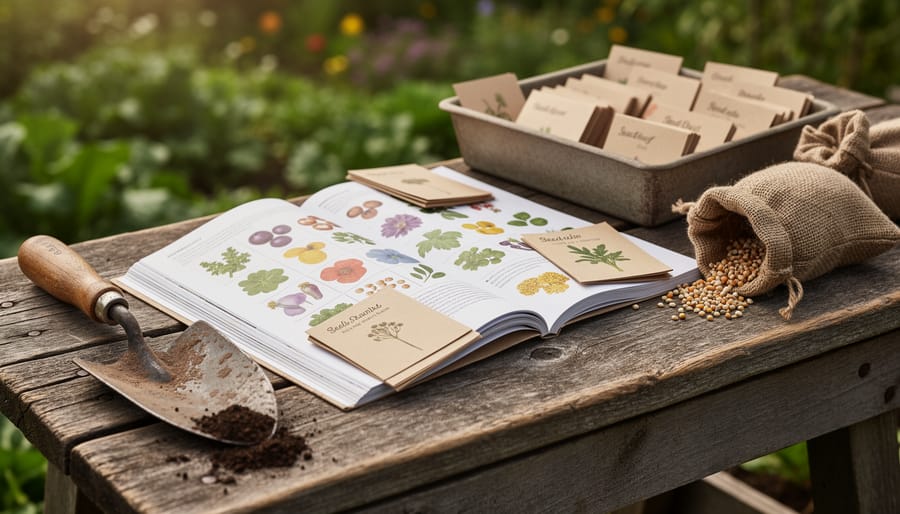
Baker Creek Heirloom Seeds doesn’t just sell seeds, it curates an experience. Flip through their catalog (available both in print and online) and you’ll immediately understand why it tops this list. The photography is museum-quality, showcasing vegetables and flowers in their full glory with an artistic eye that makes you want to frame pages rather than dog-ear them. This isn’t accidental. Baker Creek treats gardening as an art form, and their catalog reflects that philosophy.
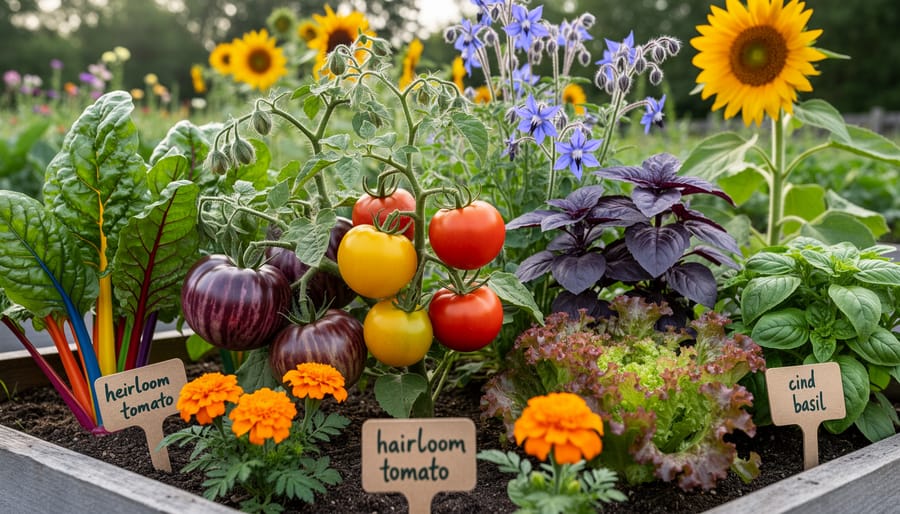
With over 2,000 varieties, most of which are rare heirlooms you won’t find at big-box stores, Baker Creek excels at preserving biodiversity. They specialize in open-pollinated seeds, many sourced from family farms around the world. Want to grow a purple Cherokee tomato, a lemon cucumber, or striped German striped tomatoes? They’ve got you covered, along with detailed histories of where these varieties originated.
The catalog reads like a gardening coffee table book, complete with growing tips and stories behind the seeds. It’s particularly inspiring for gardeners who view their plots as creative canvases rather than just food production zones. Baker Creek’s commitment to never selling hybrids or GMOs, combined with their stunning visual presentation, makes ordering seeds feel less like shopping and more like planning a living art installation.
2. Johnny’s Selected Seeds: The Grower’s Goldmine
Johnny’s Selected Seeds has earned its reputation as the catalog serious gardeners reach for when they want results backed by real data. Based in Maine, Johnny’s runs extensive trials on their own research farm, testing thousands of varieties each season before offering them to customers. This isn’t just marketing, the catalog includes detailed growing information that reads like a master class in cultivation.
What sets Johnny’s apart is the depth of information accompanying each variety. You’ll find days to maturity, spacing recommendations, disease resistance notes, and often specific growing tips gleaned from their trial results. Their vegetable selections are particularly strong, with multiple options for each crop that perform reliably in different conditions. Home gardeners appreciate the educational approach, while small-scale farmers depend on Johnny’s for varieties that deliver consistent yields.
The catalog also shines in specialty categories like salad greens, Asian vegetables, and specialty cut flowers. Many varieties are exclusive to Johnny’s or bred specifically for their catalog. Their tool and supply offerings are equally well-researched, featuring only equipment their team actually uses and recommends. If you’re the type who wants to understand the “why” behind your seed choices, Johnny’s provides the knowledge to grow with confidence.
3. Seed Savers Exchange: Heritage Keeper
Seed Savers Exchange earns third place for doing something most seed companies don’t: they’re on a mission to save vegetable diversity from extinction, one heirloom tomato at a time. This nonprofit catalog reads like a living museum, packed with rare varieties you won’t find anywhere else because many are grown by their network of 13,000 members who’ve preserved seeds through generations.
What sets this catalog apart is its deep commitment to heritage. You’ll find Cherokee Purple tomatoes with stories, Amish Paste varieties passed down through families, and beans that survived the Dust Bowl in someone’s basement. Each listing often includes the seed’s history, which transforms your garden planning into an act of conservation. It’s gardening with purpose.
The Heritage Farm in Iowa trials thousands of endangered varieties annually, ensuring you’re getting viable seeds with proven performance. Their extensive collection includes over 20,000 rare vegetable, herb, and flower varieties, with a particular strength in tomatoes, beans, and squash. The catalog balances beautiful photography with educational content about why seed diversity matters for resilient food systems.
Shopping here means supporting environmental stewardship and cultural preservation. Your purchase helps maintain their seed vault and member exchange program, keeping genetic diversity alive for future gardeners.
4. Burpee: The Household Name
Burpee remains America’s most recognizable seed company for good reason, it’s the catalog your grandmother probably used, and it still delivers reliability without intimidation. Founded in 1876, Burpee strikes a rare balance between heritage and innovation, offering everything from tried-and-true Big Boy tomatoes to colorful modern hybrids and classic white cottage plants that anchor traditional gardens.
What sets Burpee apart at number four is accessibility. The catalog speaks to beginners without condescension, featuring straightforward growing instructions, clear hardiness zone guidance, and plenty of photographs that show you exactly what to expect. You’ll find disease-resistant varieties alongside nostalgic heirlooms, plus an impressive selection of flower seeds that rival any specialist company.
Burpee’s widespread availability, sold in garden centers and home improvement stores nationwide, makes it convenient for last-minute purchases, though ordering directly from the catalog or website gives you access to the full range. The company’s guarantee replaces seeds that don’t perform, which builds confidence for nervous first-time gardeners.
Is it the most exciting catalog? No. But Burpee’s strength lies in dependability and breadth. It’s the catalog that won’t overwhelm you with obscure varieties or assume you already know what “determinate” means, just solid seeds that grow.
5. High Mowing Organic Seeds: Certified Pure
High Mowing Organic Seeds earns its spot as the purity champion of seed catalogs. Every single seed they sell carries certified organic status, no exceptions, no compromises. If you’re committed to chemical-free gardening or just want to know exactly what you’re planting, this Vermont-based company delivers peace of mind along with outstanding germination rates.
What sets High Mowing apart is their obsessive focus on cold-climate performance. They trial varieties in their own northern Vermont fields, where short seasons and unpredictable weather separate pretenders from true performers. You won’t find varieties that only thrive in California’s endless summers here. Instead, expect tomatoes that actually ripen before frost, lettuce bred for bolt resistance, and squash that laughs at cool spring soil.
The catalog itself reads like a manifesto for sustainable agriculture. They’re transparent about their seed sources, carbon-neutral shipping practices, and worker-owned cooperative structure. It feels less like shopping and more like joining a movement.
Fair warning: their selection skews toward proven performers rather than exotic novelties, and prices run slightly higher than conventional catalogs. But for gardeners who consider organic certification non-negotiable, High Mowing represents the gold standard, literally certified, demonstrably effective, and aligned with values that extend beyond the garden gate.
6. Southern Exposure Seed Exchange: Regional Champion
Southern Exposure Seed Exchange earns its spot through deep regional expertise that gardeners in the Mid-Atlantic and Southeast will genuinely appreciate. Based in Virginia, this catalog focuses on varieties proven to thrive in warm, humid climates where disease pressure runs high and summers stretch long and sweltering.
Their strength lies in curating heirlooms bred for Southern conditions, think Cherokee Purple tomatoes, Southern Giant Curled mustard greens, and cowpeas that laugh at August heat. These aren’t just regional novelties; they’re selections battle-tested across generations in climates where many Northern favorites simply flop.
The catalog reads like a conversation with a knowledgeable neighbor who understands your specific challenges: heat-tolerant lettuces for extended spring harvests, okra varieties ranked by pod texture, and detailed notes on humidity-resistant beans. Growing guides acknowledge real Southern conditions instead of generic advice that assumes cool summers and predictable rainfall.
Southern Exposure also champions seed saving and offers many open-pollinated varieties ideal for gardeners building their own regional seed collections. Their commitment to preserving Southern agricultural heritage, including crops significant to African American and Indigenous foodways, adds cultural depth often missing from mainstream catalogs.
If you garden below the Mason-Dixon line, this catalog speaks your language and knows your weather.
7. Territorial Seed Company: Pacific Northwest Pro
If you garden in the Pacific Northwest, or anywhere with cool, foggy summers and mild winters, Territorial Seed Company speaks your language. Based in Oregon, they run extensive trial gardens that test thousands of varieties in real maritime conditions, so every recommendation comes with dirt-under-the-nails credibility. Their catalog reads like a conversation with a seasoned neighbor who knows exactly which tomatoes will actually ripen before October and which greens laugh at winter drizzle.
What sets Territorial apart is the depth of their growing guides. Each variety listing includes planting dates, spacing, and harvest windows tailored to short-season climates, plus troubleshooting tips for common Pacific Northwest challenges like blight and slugs. They excel at cool-season crops, kale, peas, brassicas, but also offer heat-lovers bred to perform without blasting sun.
The catalog itself balances practicality with inspiration. You’ll find everything from reliable staples to experimental varieties worth the gamble, plus tools and supplies if you need to buy plant stakes or plan a garden archway for climbing beans. They even stock a toddler gardening set if you’re raising the next generation of growers. For regional adaptation and no-nonsense expertise, Territorial delivers.
8. Renee’s Garden: Gourmet Delights
Renee’s Garden stands apart as the catalog for gardeners who cook. Founded by Renee Shepherd, a former chef turned seed curator, this collection reads like a gourmet menu rather than a standard seed list. Every variety is chosen for exceptional flavor, not just garden performance, making it ideal if you prioritize taste over trophy-sized produce.
The catalog’s charm lies in its thematic collections, “Salsa Garden,” “Kitchen Herb Quartet,” “Cutting Garden Zinnias”, which group complementary plants for specific culinary or creative purposes. You won’t find thousands of options here; instead, Renee hand-picks 200-ish standout varieties with detailed tasting notes describing actual flavor. Imagine selecting basil based on whether you want “citrus-clove notes” or “classic Genovese sweetness.”
The packaging deserves mention too. Each packet features watercolor illustrations and growing-plus-cooking tips that double as kitchen inspiration. If you’re planning vegetables to grow alongside your cottage garden flowers Renee’s bridges that edible-ornamental divide beautifully.
The catalog skews toward European heirlooms and chef-tested hybrids, with an emphasis on greens, herbs, and specialty vegetables you can’t find at grocery stores. Prices run slightly higher than bulk suppliers, but you’re paying for curation and flavor research, think of it as the artisanal cheese counter of seed shopping.
9. Fedco Seeds: The Cooperative Choice
Fedco Seeds trades glossy catalogs for substance, and gardeners who value ethics over aesthetics will love it. This worker-owned cooperative based in Maine operates on a simple principle: great seeds at fair prices, with profits shared among the people who do the work. The catalog itself is refreshingly unpretentious, printed on newsprint with minimal photography and maximalist information. What it lacks in visual polish, it more than compensates for with transparent pricing, honest variety descriptions, and a commitment to accessible gardening.
The selection spans organic vegetables, herbs, flowers, and cover crops, with particular strength in cold-hardy varieties suited to northern climates. Fedco’s cooperative structure means no distant shareholders demanding maximum profit, just knowledgeable seed folks who genuinely care about supporting home gardeners and small farmers. Prices consistently undercut competitors, making this an excellent choice for budget-conscious planners ordering in bulk or stocking a larger garden.
Beyond affordability, Fedco champions seed sovereignty, GMO opposition, and environmental justice. The catalog’s conversational notes reflect real trial experience and thoughtful curation. If you’d rather invest in community values than fancy packaging, Fedco delivers seeds that grow just as beautifully while keeping your conscience and wallet equally satisfied.
10. Native Seeds/SEARCH: Desert Adapted Treasures

Native Seeds/SEARCH occupies a special niche that most catalogs don’t even attempt to fill. This nonprofit conservation organization preserves seeds that have thrived in the arid Southwest for centuries, varieties developed by indigenous peoples who knew exactly how to coax abundance from desert conditions.
Their catalog reads like a biodiversity treasure map. You’ll find tepary beans that flourish in scorching heat, drought-tolerant corn varieties, and chiles adapted to monsoon patterns. These aren’t just interesting heirlooms; they’re living cultural heritage, many descended from seeds traded and saved by Tohono O’odham, Hopi, and other Native communities for generations.
What makes this catalog rank tenth? Its regional focus is incredibly narrow. If you garden in humid climates or cooler zones, most varieties won’t suit your conditions. But for Southwest gardeners, or anyone curious about climate-adapted seeds, it’s irreplaceable.
The educational mission shines through every page. You’re not just buying seeds; you’re supporting conservation work that protects genetic diversity and honors indigenous agricultural knowledge. Each variety comes with growing notes and often cultural context, connecting you to the people who originally cultivated these plants.
For desert gardeners facing water restrictions and heat challenges, this catalog offers time-tested solutions wrapped in fascinating history.
How to Make the Most of Your Seed Catalog
A seed catalog is an invitation to daydream, but without a plan, you’ll end up with 47 tomato varieties and no room for anything else. Here’s how to turn catalog browsing into a productive garden plan.
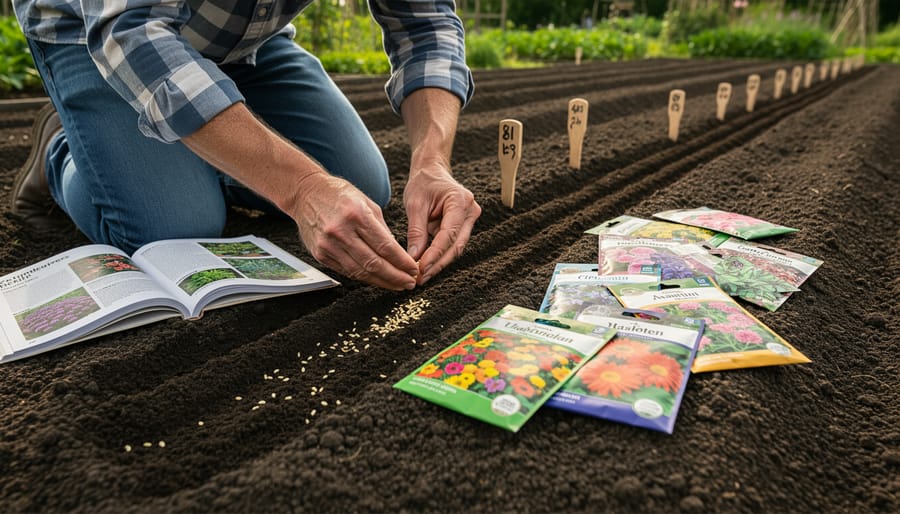
Start early. Most companies begin shipping catalogs in December, and ordering by late January ensures you get exactly what you want before popular varieties sell out. Early birds also have time to start seeds indoors at the optimal moment for their region.
Read the fine print on growing requirements. Days to maturity tells you whether that melon will actually ripen before your first frost. Hardiness zones aren’t suggestions, they’re survival guides. If you’re in zone 5, that heat-loving okra from Native Seeds/SEARCH might struggle, no matter how gorgeous the photo looks.
Match varieties to your actual space. Container-friendly indicators matter if you’re gardening on a balcony. Sprawling vines need room. Johnny’s and Territorial are particularly good at noting compact varieties and space requirements, so use those details.
- Flip through and flag everything that catches your eye, let yourself dream.
- Map your garden space on paper, noting sun exposure and square footage.
- Go back through your flags and match them to your map, prioritizing must-haves.
- Check days to maturity against your growing season length.
- Balance your list: a few experimental heirlooms from Baker Creek or Seed Savers, plus proven performers from Burpee or Johnny’s.
- Calculate quantities, it’s easy to overbuy when seeds cost just a few dollars.
- Place your order, then use the catalog’s growing guides all season long.
Treat catalogs as textbooks, not just shopping lists. The variety descriptions, planting tips, and growing advice, especially in catalogs like High Mowing and Renee’s, teach you more with every read. Dream big in December, edit ruthlessly in January, and you’ll have a garden plan that actually fits your plot come spring.
Why Seed Catalogs Still Matter
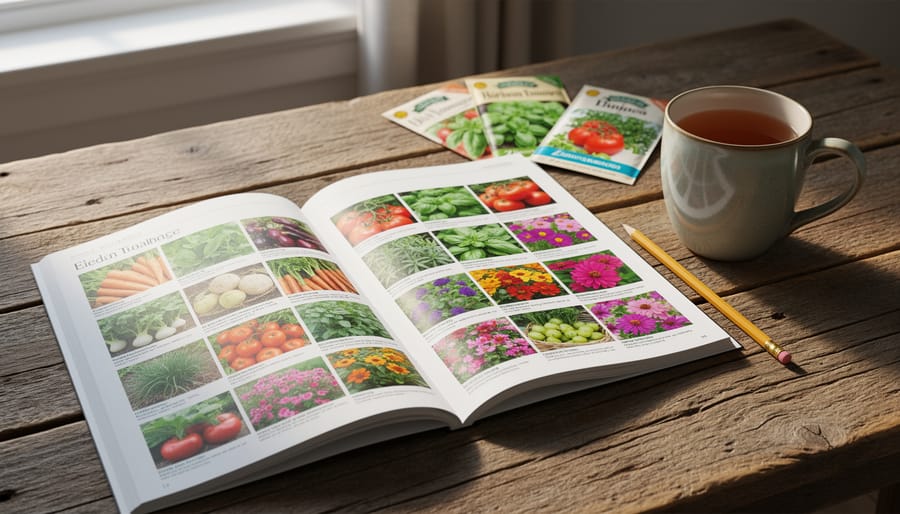
In a world of instant online shopping and algorithm-driven recommendations, flipping through a seed catalog remains one of gardening’s most cherished rituals. There’s something deeply satisfying about curling up with a cup of coffee and a stack of catalogs in January, circling dream varieties and sketching out garden plans while snow covers the ground. Whether you prefer a glossy print catalog from Baker Creek or scrolling through Johnny’s digital pages on your tablet, the experience connects you to centuries of garden planning tradition.
Beyond nostalgia, catalogs serve as powerful educational tools. Each description teaches you about growing requirements, flavor profiles, and plant history. You’ll learn why that Cherokee Purple tomato matters for biodiversity, discover companions for your raised beds, and understand which varieties thrive in your specific climate. Companies like Seed Savers Exchange and Native Seeds/SEARCH use their catalogs to tell stories of cultural preservation and environmental stewardship, turning shopping into an act of conservation.
The ritual of browsing also slows you down in the best way. Instead of clicking “add to cart” on impulse, you compare notes, consider your space, and make thoughtful choices. You might stumble upon a unusual melon variety you’d never have searched for, or find inspiration in High Mowing’s sustainability mission. That pile of dog-eared catalogs on your coffee table isn’t clutter; it’s your garden dreaming in tangible form, a bridge between winter’s quiet and spring’s promise.
How We Chose This List
We built this ranking by evaluating each catalog against criteria that matter most to gardeners planning their 2026 seasons. First, we looked at variety breadth, catalogs needed to offer enough diversity to inspire ambitious planting, whether you’re growing heirlooms, hybrids, or both. We prioritized companies with strong reputations for seed quality and germination rates, drawing on decades of collective gardening experience and community feedback.
Regional adaptation weighed heavily. Catalogs that specialize in climate-specific varieties or trial their offerings in real growing conditions earned higher marks. We also assessed educational value: the best catalogs don’t just sell seeds, they teach you how to grow them successfully with detailed guides, photos, and honest descriptions.
Environmental ethics mattered, too. We favored companies committed to organic practices, seed saving, biodiversity preservation, and transparent sourcing. Finally, we considered the browsing experience itself, catalogs that inspire creativity through beautiful photography, thoughtful curation, or unique storytelling rose to the top. Price accessibility and company values like worker ownership or nonprofit missions rounded out our evaluation, ensuring this list serves gardeners with different budgets, climates, and priorities.
Seed Catalog FAQs
When should I order seeds from catalogs?
Place your order in January or early February to snag the best selection before popular varieties sell out. Most catalogs ship year-round, but ordering early gives you time to plan and ensures you’re ready when planting season arrives in your zone.
Can I save seeds from catalog purchases to replant next year?
Yes, but it depends on the variety. Open-pollinated and heirloom seeds (like those from Baker Creek or Seed Savers Exchange) save true to type, meaning your saved seeds will produce plants identical to the parent. Hybrid seeds won’t reliably reproduce the same traits, so you’ll need to buy fresh each year for consistent results.
Are organic seeds really worth the extra cost?
If you’re committed to organic gardening or avoiding synthetic chemicals, absolutely, they align with your values and support sustainable agriculture. Companies like High Mowing Organic Seeds guarantee certification from seed to shipment. That said, non-organic seeds from reputable sources grow just as vigorously; the organic label matters most if environmental ethics or certification are priorities for you.
How do I know if a variety will actually grow in my zone?
Check the seed packet or catalog listing for hardiness zone information and days to maturity, then compare those to your USDA zone and frost dates. Regional specialists like Territorial Seed Company and Southern Exposure Seed Exchange pre-select varieties for specific climates, taking the guesswork out of adaptation.
These questions pop up every ordering season, and rightfully so, buying seeds is an investment in months of growing effort. The beauty of working with established catalogs is that they’ve done much of the homework for you, clearly labeling what works where and why. Don’t be shy about contacting their customer service teams, either. These companies genuinely want your garden to thrive, and they’re usually happy to offer planting advice or variety recommendations tailored to your specific situation.
There’s something magical about the ritual of poring over seed catalogs in the dead of winter, plotting a garden that exists only in your imagination, at least until May. Whether you’re drawn to Baker Creek’s art-gallery spreads, Johnny’s no-nonsense growing intel, or Fedco’s refreshingly cranky commentary, these ten catalogs offer more than seeds. They’re invitations to dream bigger, grow smarter, and connect with the quiet thrill of coaxing life from soil.
So grab a cup of tea, request a few favorites (they’re free, after all), and start dog-earing pages. Circle the heirlooms you’ll definitely plant, the hybrids you’ll probably squeeze in, and the wildly ambitious varieties you’ll convince yourself you have room for. Your 2026 garden is waiting, and honestly, it’s going to be spectacular, or at least a beautiful, mud-streaked mess worth every minute.
Happy planning, and may your tomatoes be prolific and your weeds cooperative.
